012024 research
Investigate
Understand discovery, trust and coordination.
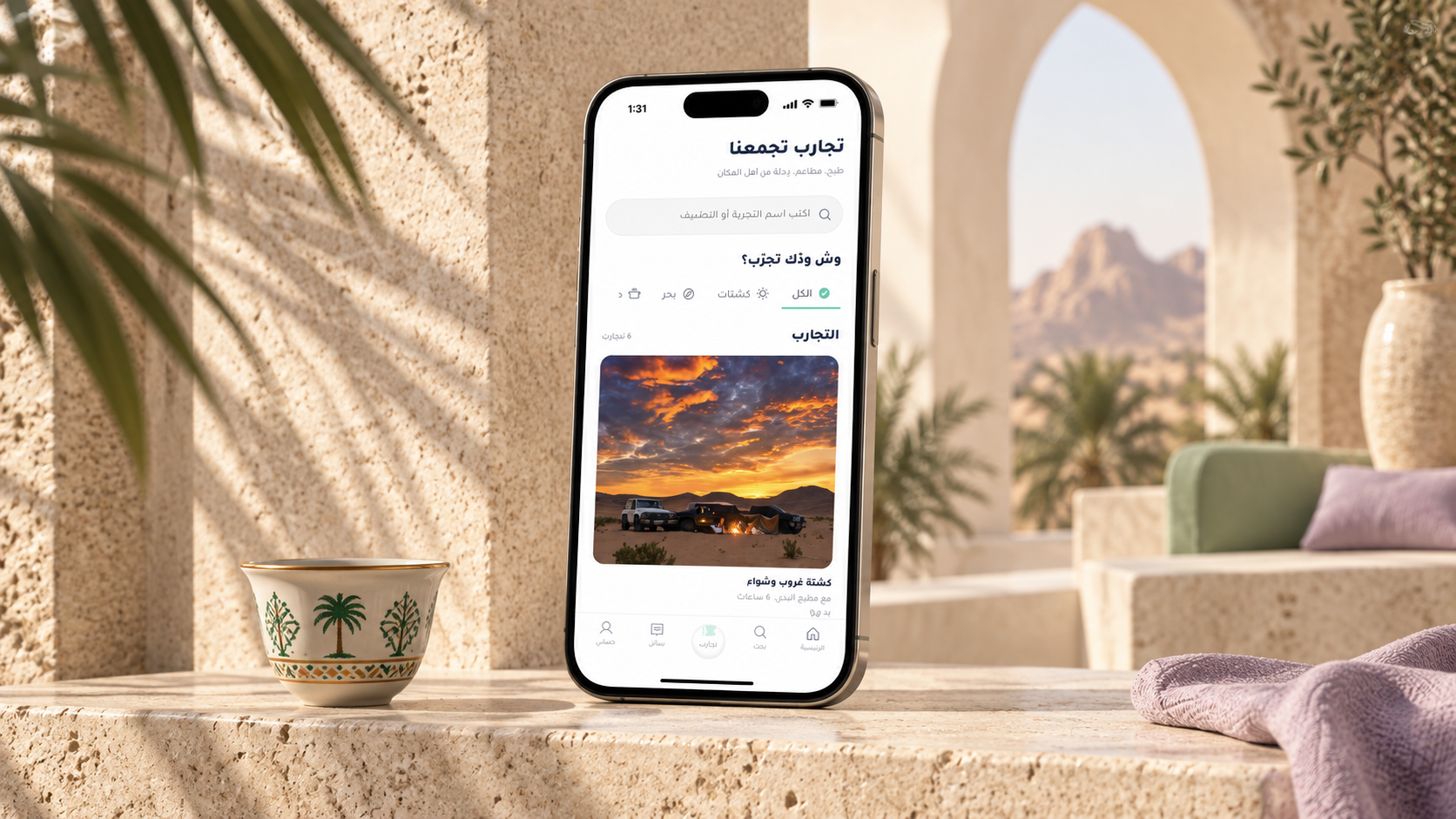
Connecting guests with Saudi food, local hosts and shared experiences.
Figma · Codex
A meal is just the beginning. Lamma connects guests with local food, Saudi hospitality and the people who make it meaningful.
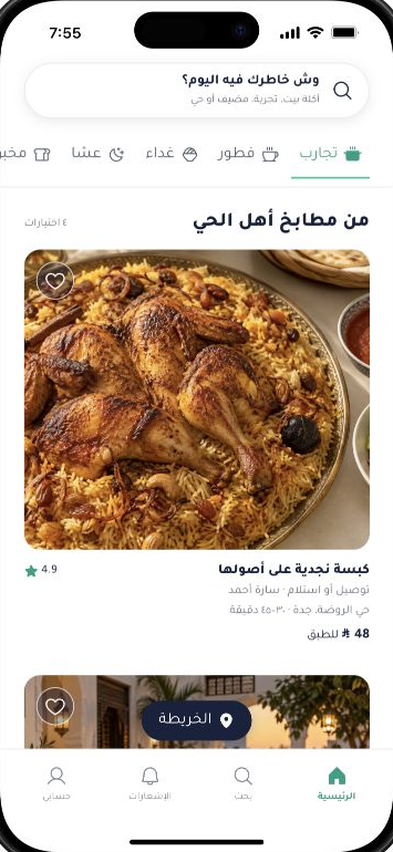
Explore food, meet the host, and take the next step with context.
The original study began with the difficulty of buying from home-based sellers. The thesis shaped the guest–host concept; Lamma extends it into connected journeys.
Understand discovery, trust and coordination.
Explore how guests and Saudi food hosts connect.
Connect the front-stage experience to the work of hosting.
My experience coordinating deliveries for home-based sellers in 2011 informed the starting point. Reviewing online comments, ordering firsthand and mapping the process revealed how much coordination fell to guests and hosts.
Original research journey, condensed into five stages. Needs come from the research board; design responses describe Lamma. Emotions are interpretive.
Search social posts and recommendations
Offerings are hard to compare
Searchable meals and experiences
Ask about menu, portions and price
Quality and details are uncertain
Host information and clear details
Call or message to confirm the order
Details spread across conversations
A connected booking sequence
Get the location, pay and collect
Limited visibility after confirmation
Order and booking status
Share feedback or contact the seller
Support and feedback are fragmented
Reviews, messages and support
Two personas from the original research board connect the guest experience with the practical needs of a home cook.
Research-board personas · Scenarios summarise the original design material; these statements are not participant quotations.
An engineer and traveller, originally from Pakistan and living in Jeddah. Ahmed wants affordable homemade meals and a way to experience local culture beyond familiar commercial options.
Give guests enough context to choose with confidence.
A synthesis of Ahmed’s scenario and the original research board. These are design interpretations, not direct interview quotations.
An affordable meal with a local story.
Enough information to choose an unfamiliar host.
Will the meal match my taste and expectations?
Will I know what happens after booking?
Looks for local food and recommendations.
Compares menus, prices and host information.
Curious about a new food experience.
Uncertain when details or support are unclear.
Finding a seller takes research across social channels.
Menus, portions and prices often need a conversation.
Orders, feedback and support are difficult to keep together.
Bring discovery, booking and follow-up into one shared journey. Help guests understand an offer and give hosts a clearer way to manage the experience.
One service supports everyday food discovery, cultural experiences and the people hosting them.
Find a homemade meal that fits the day, the budget and personal preferences.
Discover local food, understand the host and book a culturally meaningful experience.
Present food and experiences, manage orders and keep guests informed.
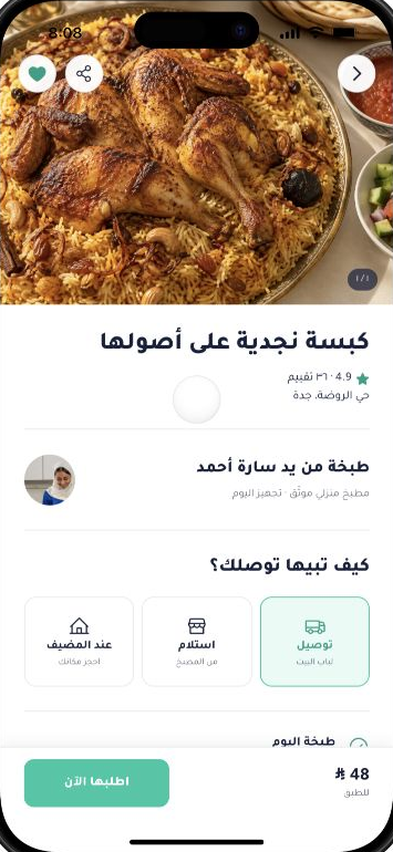
Exploring the hierarchy of discovery, offer details and order management. These retrospective studies explain the enhanced prototype’s structure.
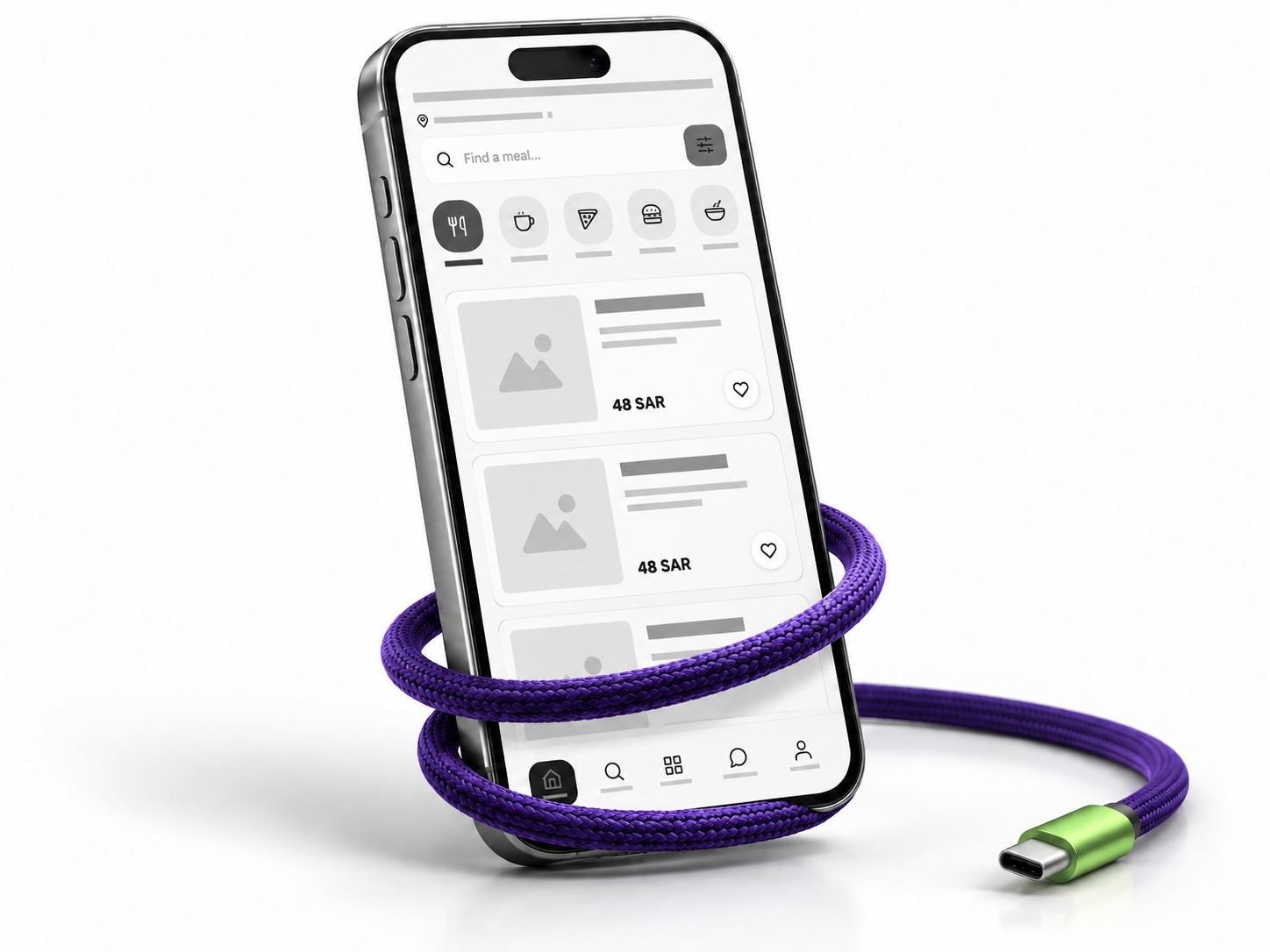
Interface details from the Lamma prototype · Sample content shown.
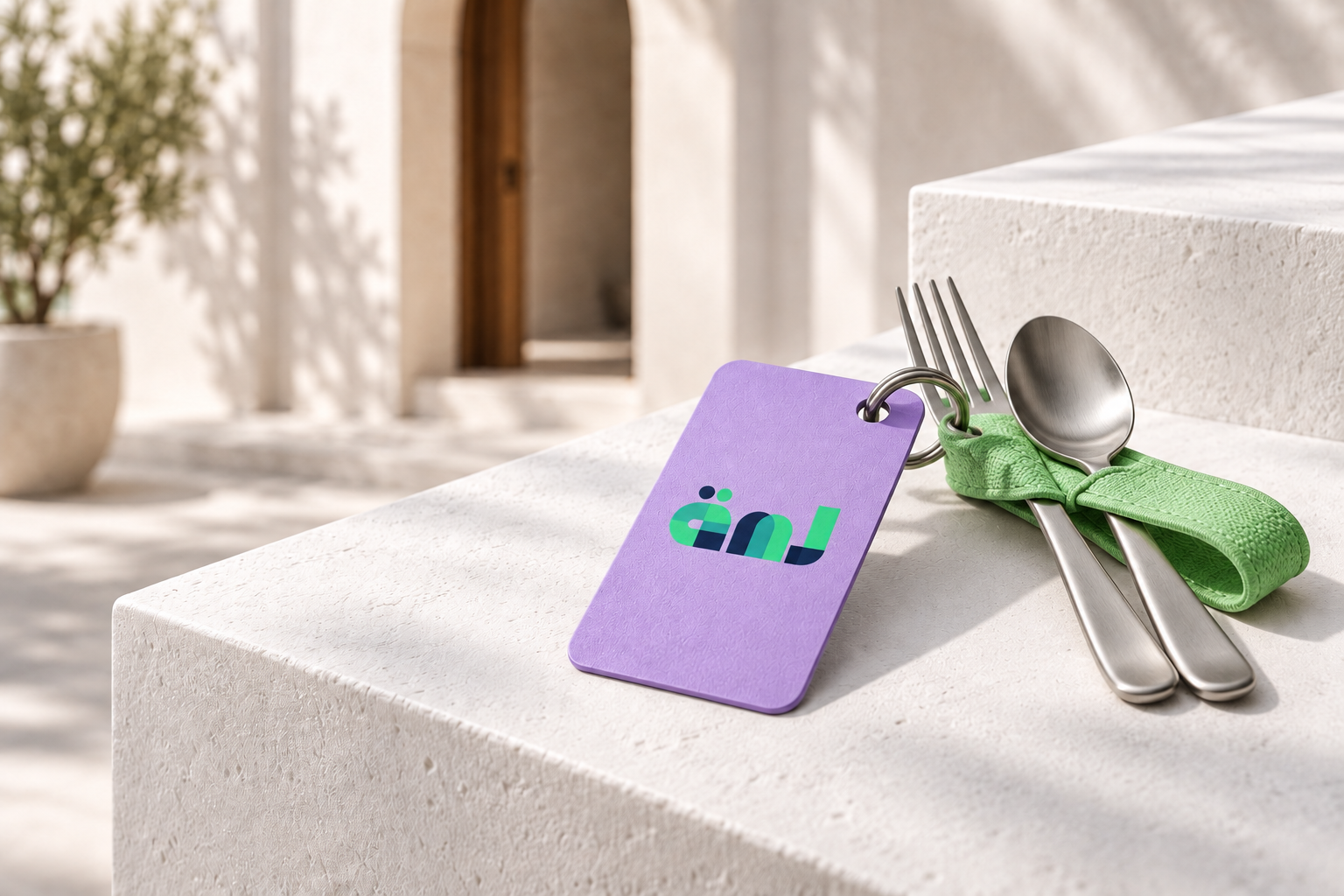
Mint, lavender and dark navy connect Lamma’s food and experience journeys. The identity carries the idea of gathering from the interface to the shared table.

A meal.
Your people.
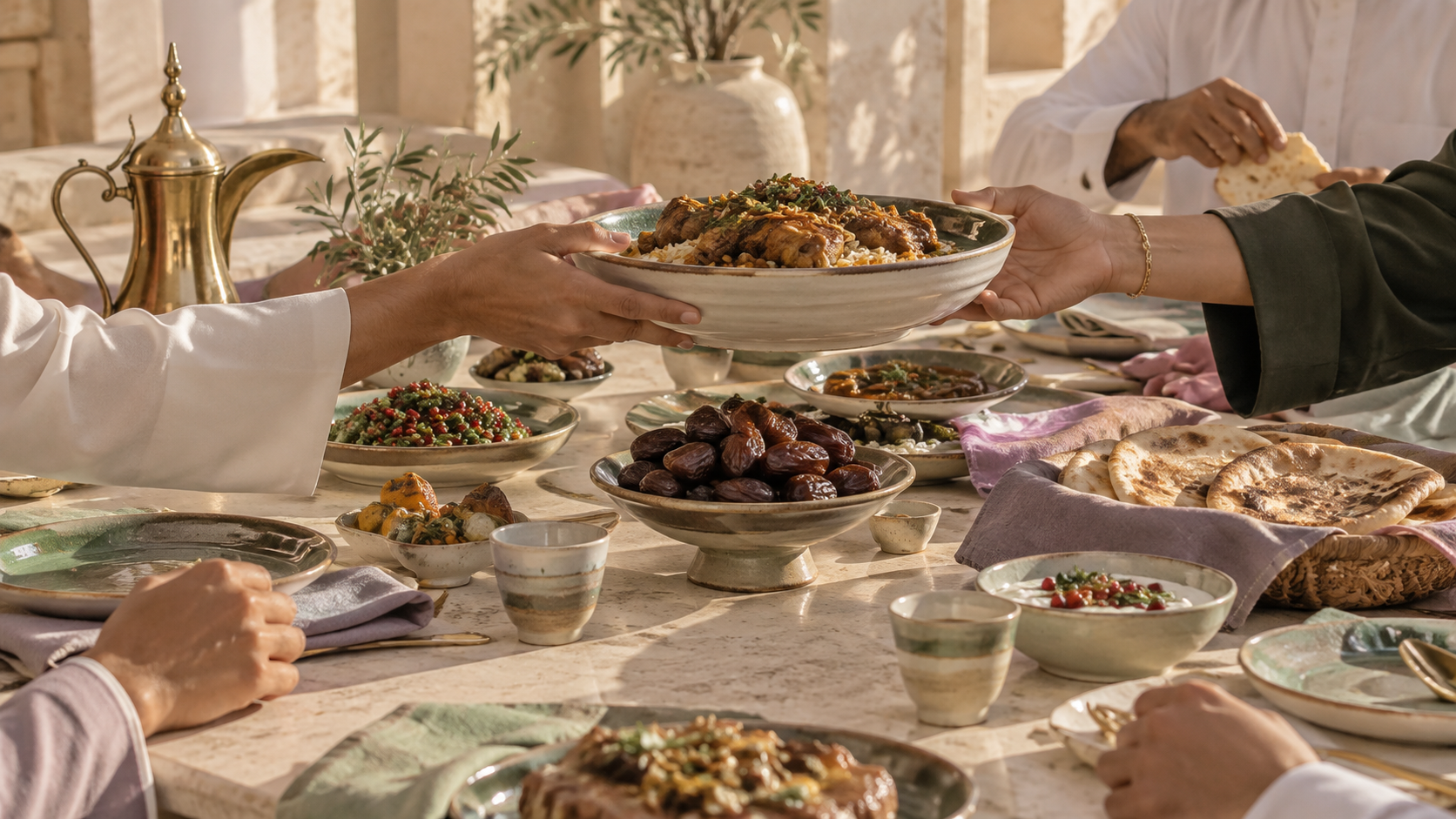
The same identity, from the app to the shared table.
Navy brings consistency. Mint highlights the next step.
Warm light and familiar food connect the interface to everyday life.
Your next story starts here.
Food with a story to share.
Lamma brings homemade food and local experiences into one place, with a clear route from discovery to the host behind the offer.
Food, experiences and the people who bring them to life.
Guests explore offers, review the dish and host, then choose delivery, collection or dining with the host. Orders and experience bookings remain available to manage afterward.
The offer stays in context as guests choose how to receive it and return to manage their plans.
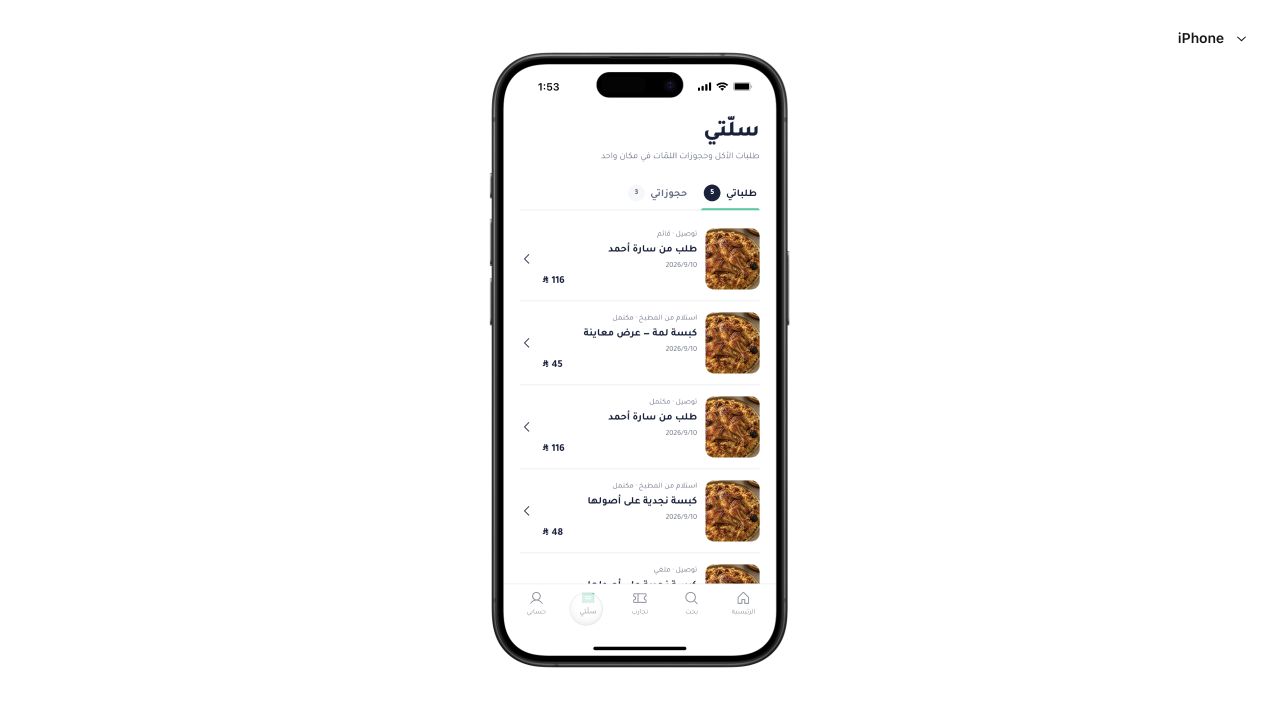
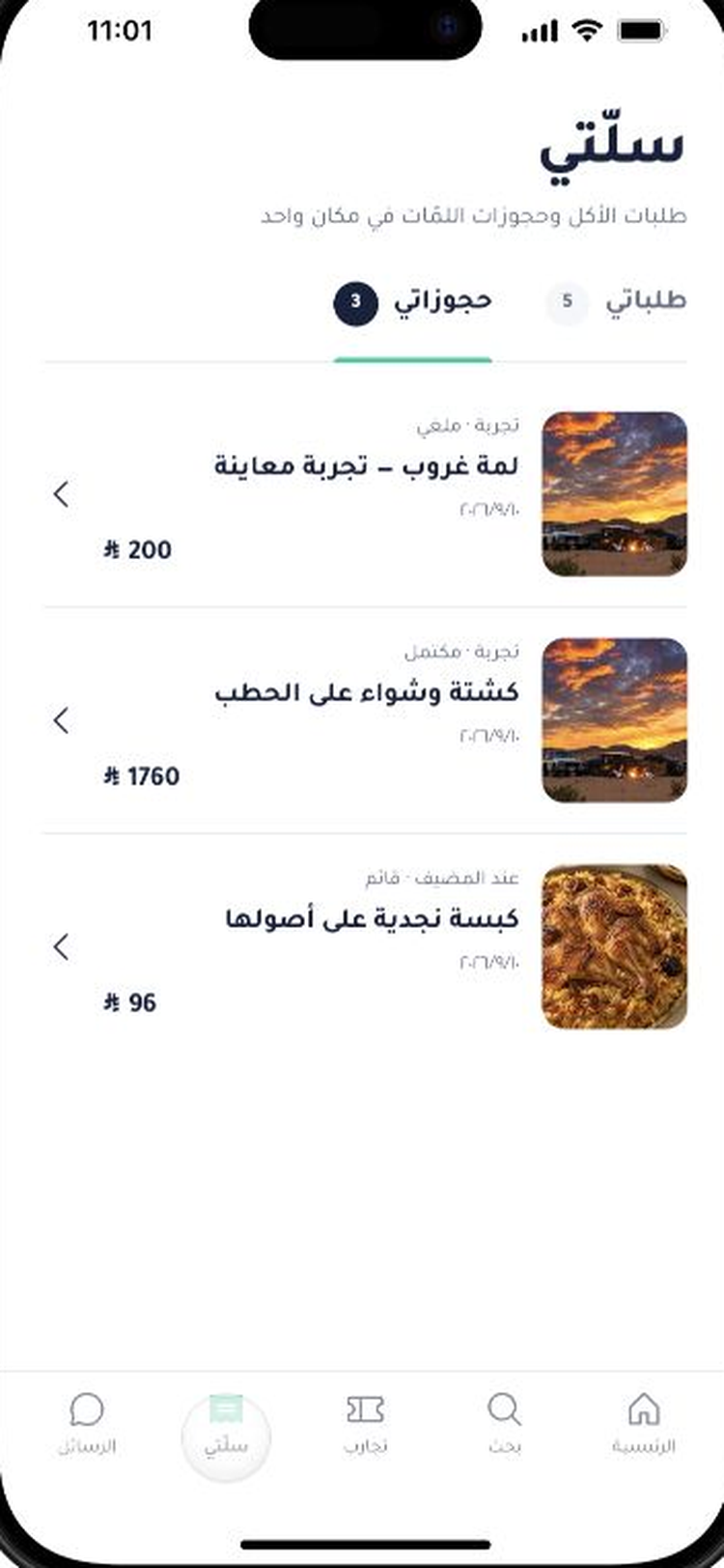
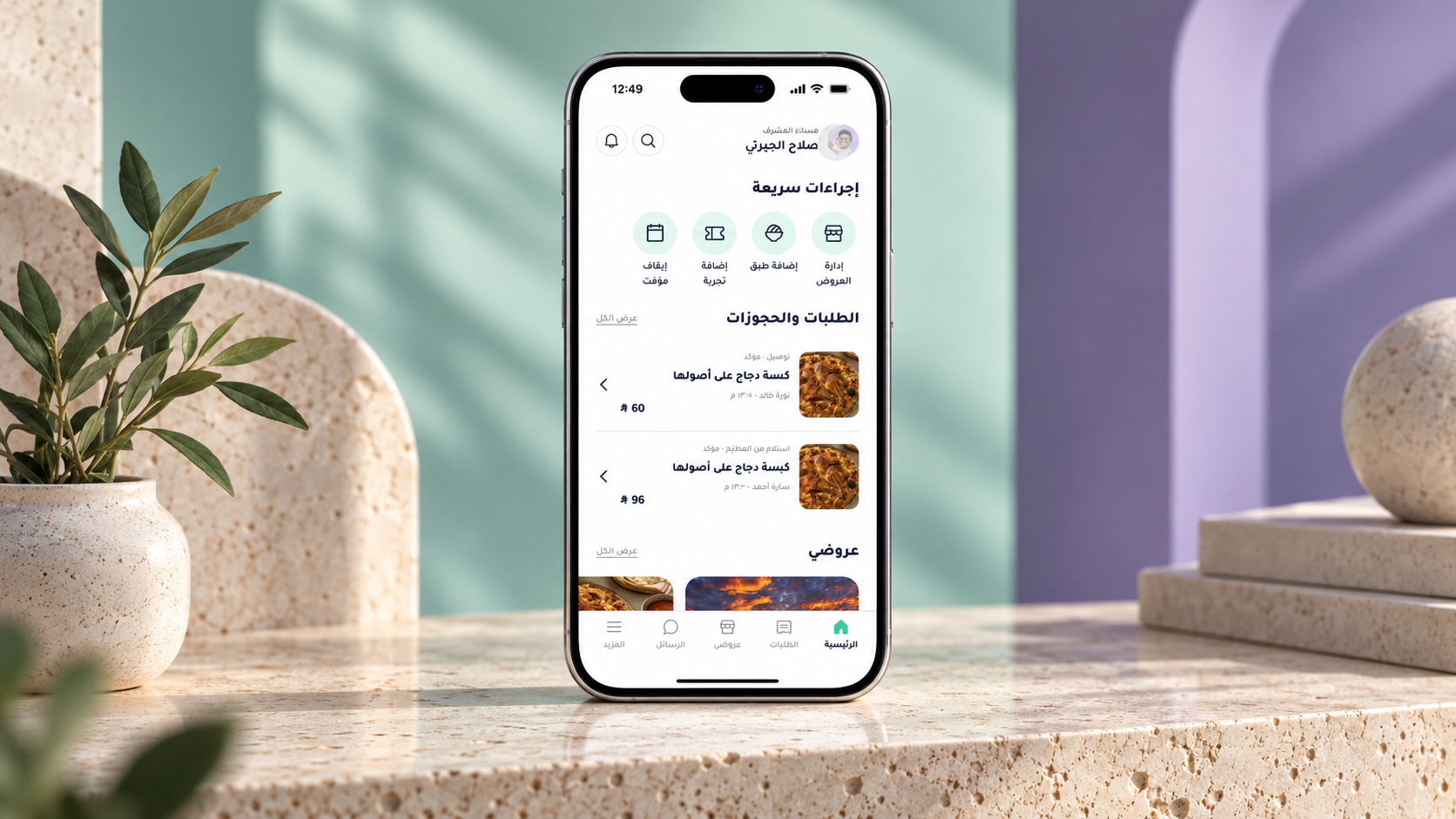
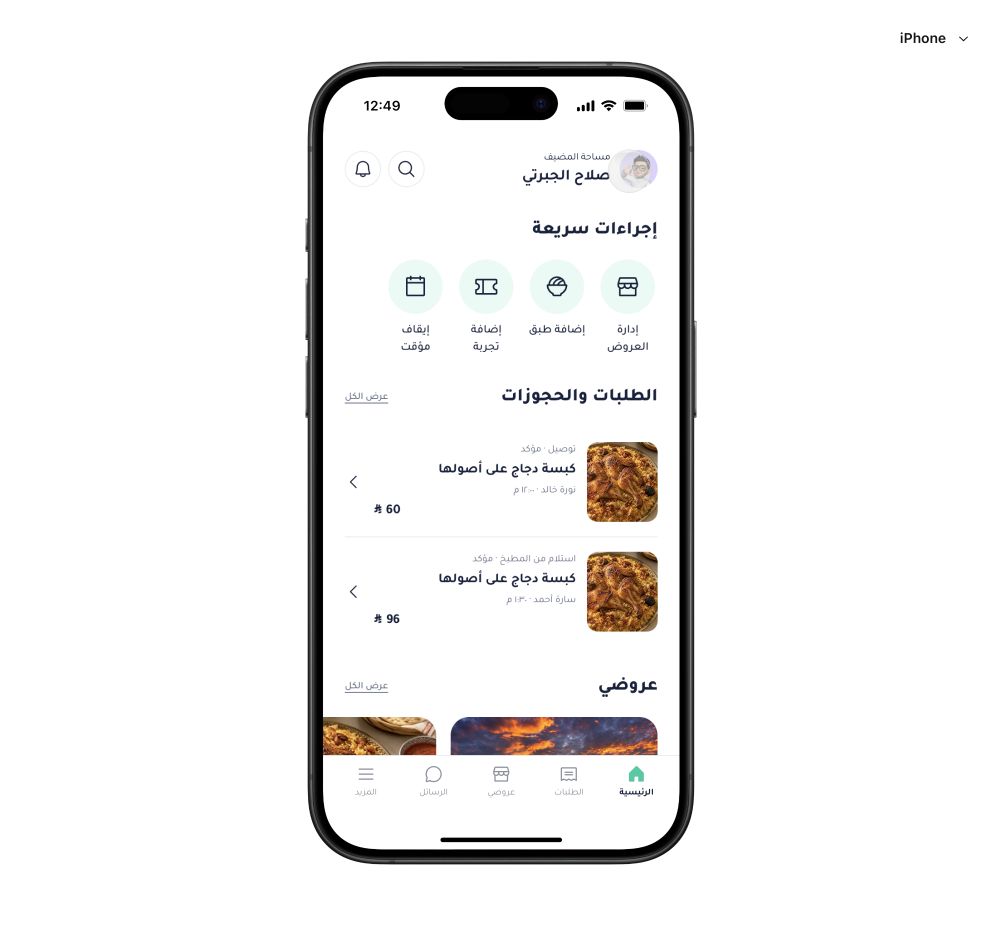
Host tools bring offers, incoming orders and earnings together. The shared visual language connects both sides while giving hosts a view of what needs attention.
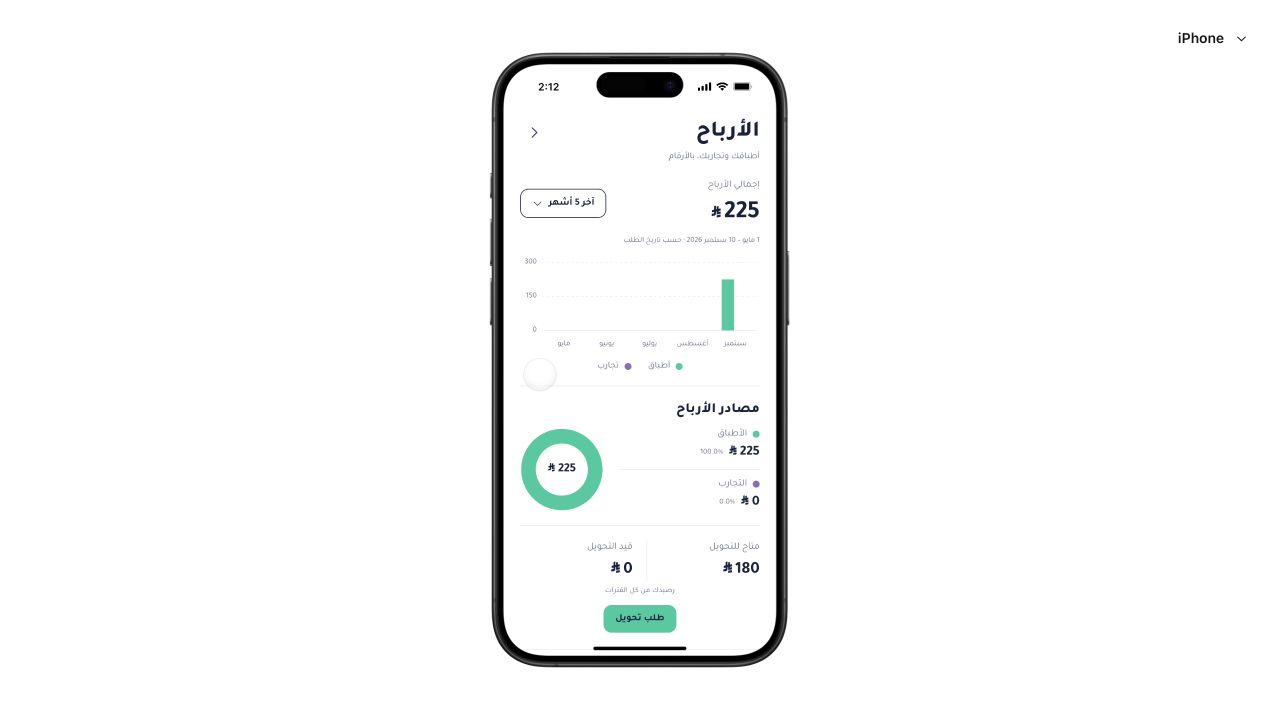
Keep food and experience conversations close to the order, with one place to return to the discussion.
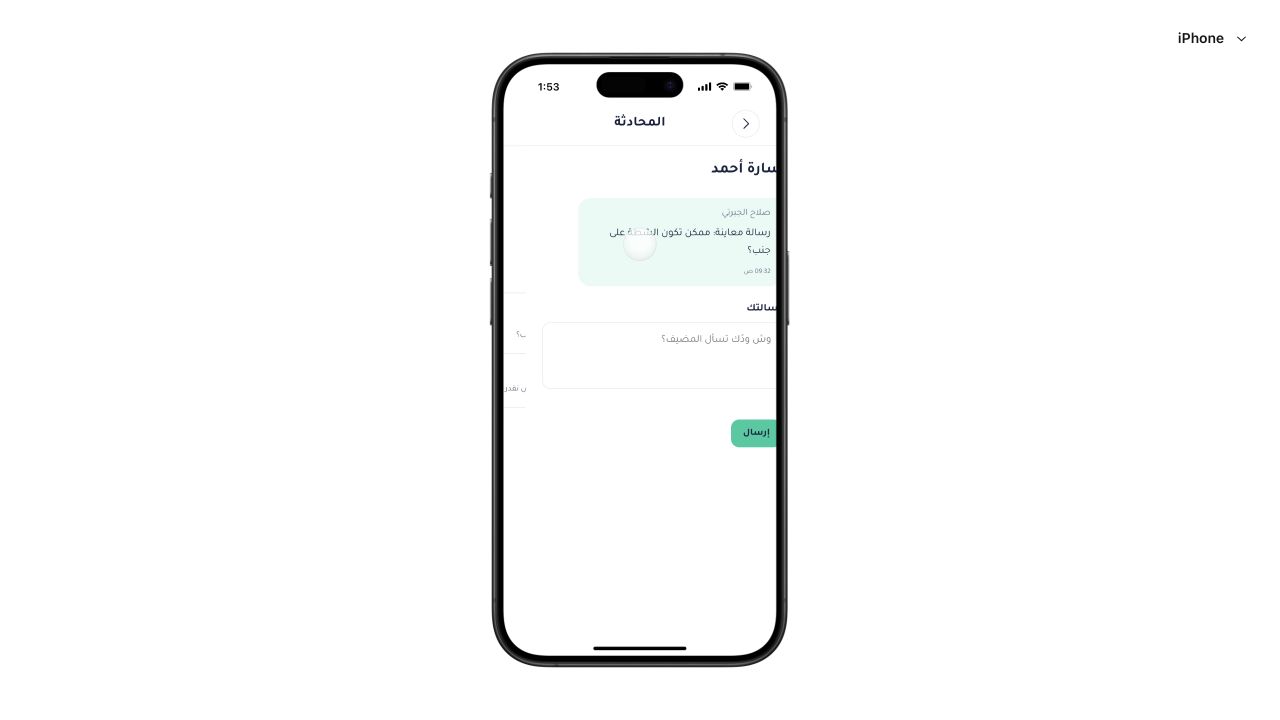
A conversation stays connected to the practical steps of ordering and hosting.
The 2024 thesis documents testing with 15 participants: eight local users and seven international tourists. Lamma extends the concept in 2026; these new journeys still need a fresh user study.
The research raised uncertainty around food quality, portions and expectations. Lamma gives dishes and hosts a more structured presentation.
Observe whether guests can explain what is included before placing an order.
The thesis reports requests for clearer booking instructions. Lamma connects configuration, review, confirmation and order management.
Test completion and recovery across booking, cancellation and support.
The enhanced prototype includes guest journeys and host offers, orders and earnings. Payments and payouts remain local prototype records.
Evaluate host workload and whether guest and host status remain understandable.
Designing beyond discovery brought the project’s purpose into focus: making local hospitality easier to find, arrange and share.