01Desk research
Investigate
Explore how room searches happen across social groups and pages.
GHURFAH / PRODUCT DESIGN
Room discovery, shared living and the rental journey in one connected experience.



From finding a room to feeling at home. Ghurfa brings discovery, viewing requests, and the rental journey into one connected experience.
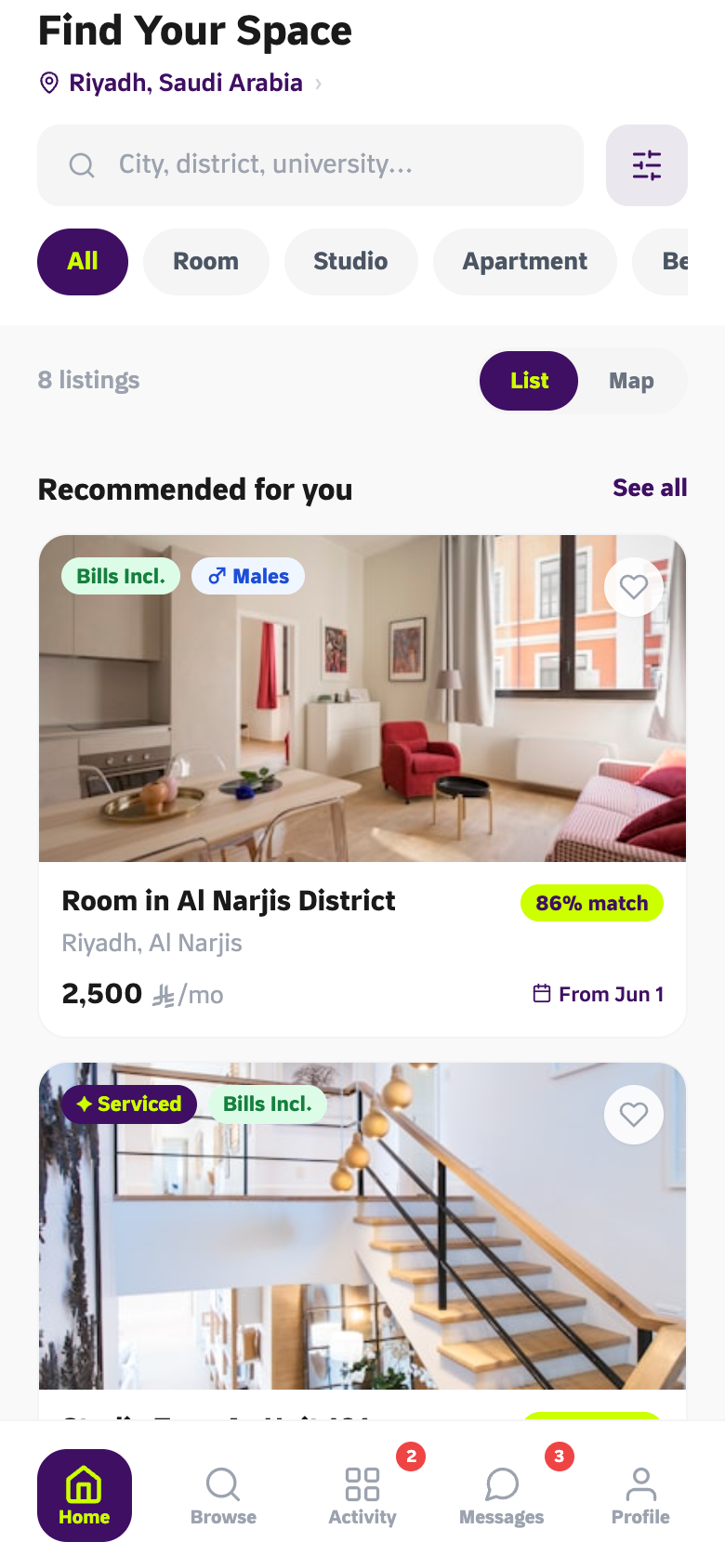
Explore rooms, compare the details, and take the next step with context.
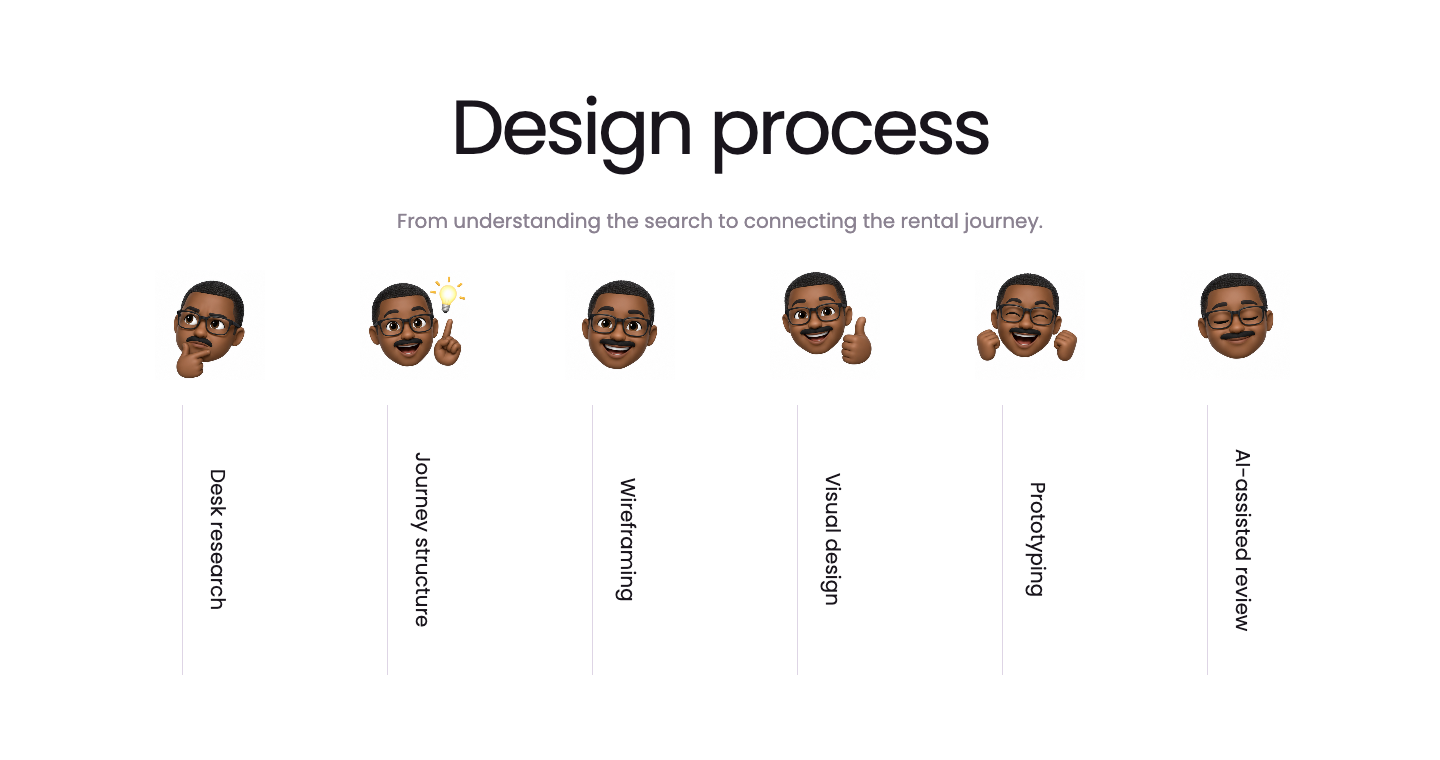
The project moved through desk research, interface design, and iterative prototype review. Work began around January, by recollection; development continued through later iterations.
Explore how room searches happen across social groups and pages.
Translate the rental journey into screens, actions, and shared states.
Walk through the prototype and identify questions for participant testing.

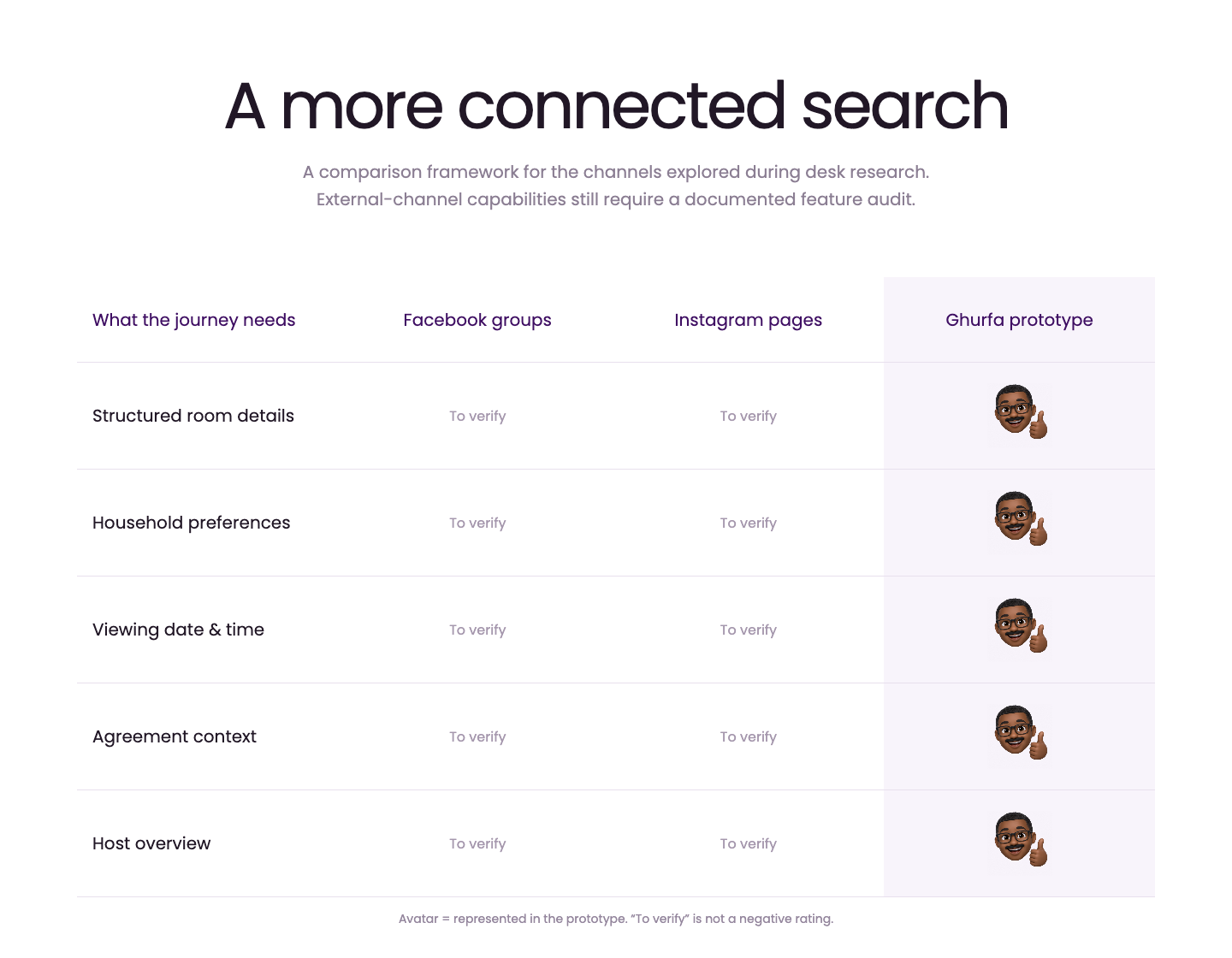
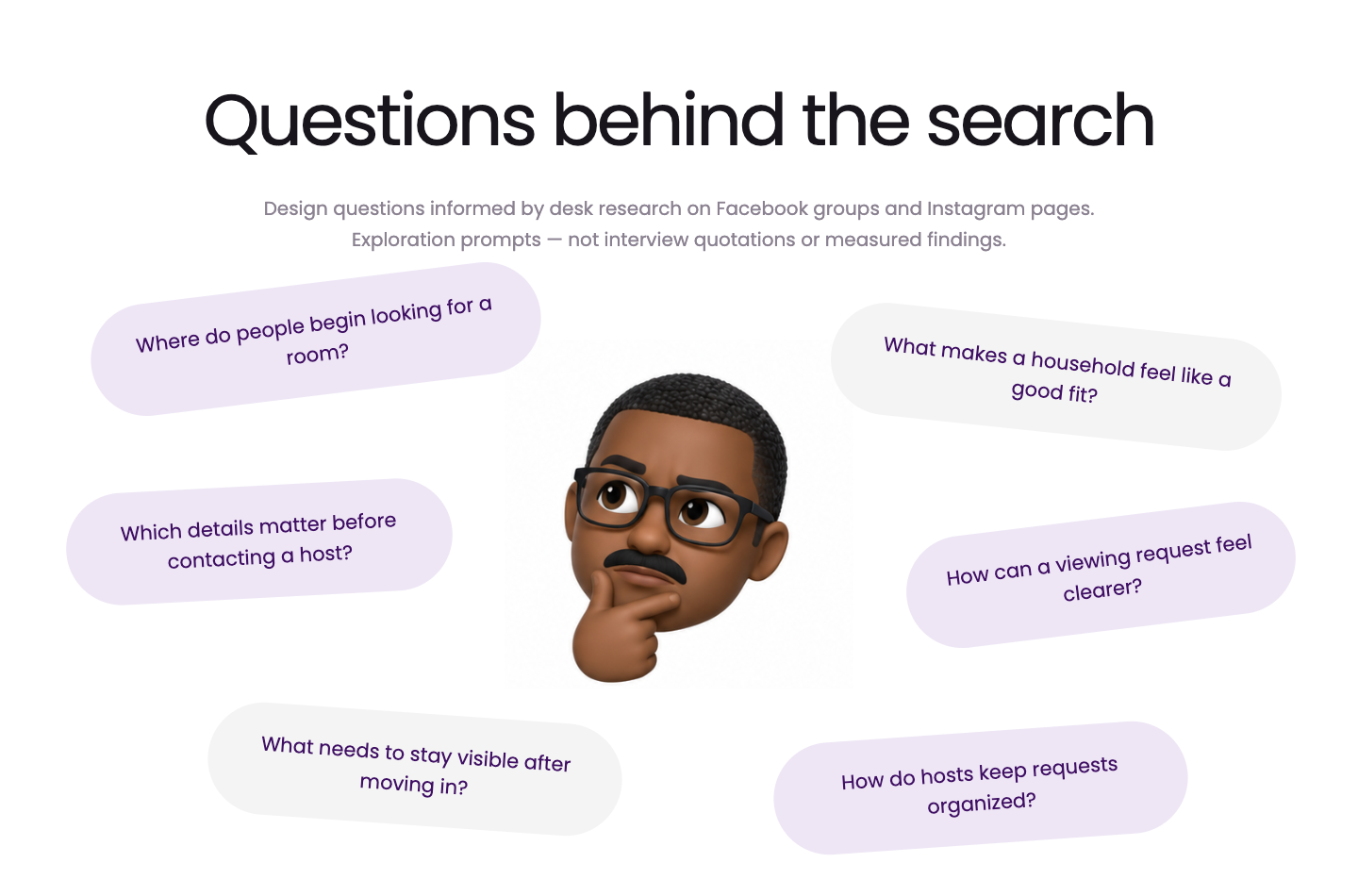
The initial research explored Facebook groups and Instagram pages used to find rooms and shared accommodation. Ghurfa asks how that activity could become a more connected product journey.
Proposed renter journey · Frictions and emotions are design hypotheses, not participant findings.
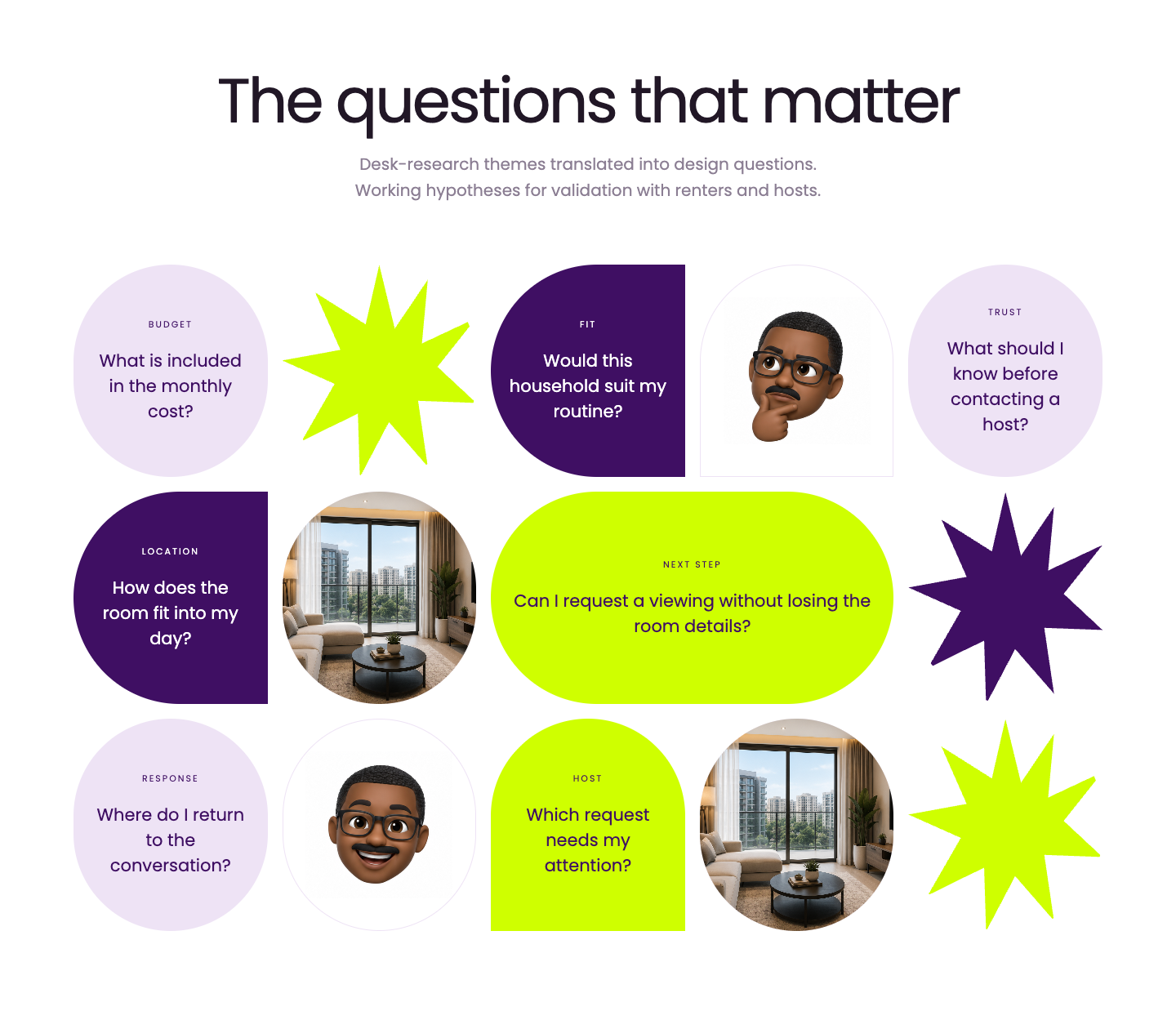
Compare rent, location, and household
Details spread across posts
Structured listings and filters
Check details and request a viewing
Availability takes coordination
Shared requests and visible status
View the room and review the offer
Expectations may be unclear
Fit information and agreement review
Confirm payment and move-in details
Tasks can get lost in chat
A shared rental overview
Follow payments and maintenance
Records live in different places
One place for ongoing activity
Three working personas connect the product’s roles to the decisions each person needs to make.
Working personas · Salah’s avatar is based on the designer’s description. Persona scenarios are design hypotheses informed by desk research, not participant findings.
A working professional preparing to move to Riyadh. He explores room listings on social pages and needs a clearer way to compare the place, the household, and the next steps.
Make the fit visible before asking for commitment.
Working hypotheses derived from desk research and design exploration. These statements are not quotations from interviewed participants.
“I need a room that fits my budget and the way I live.”
“Help me understand the place before I contact the host.”
Would I feel comfortable sharing this home?
The next step should be clear after I request a viewing.
Looks through room listings and social posts.
Compares rent, neighborhood, amenities, and household preferences.
Hopeful about finding a suitable place.
Uncertain when information or responses are incomplete.
Room information and conversations are spread across different channels.
Rent alone does not explain whether a room and household are a good fit.
The journey after the first message needs clearer steps and shared status.
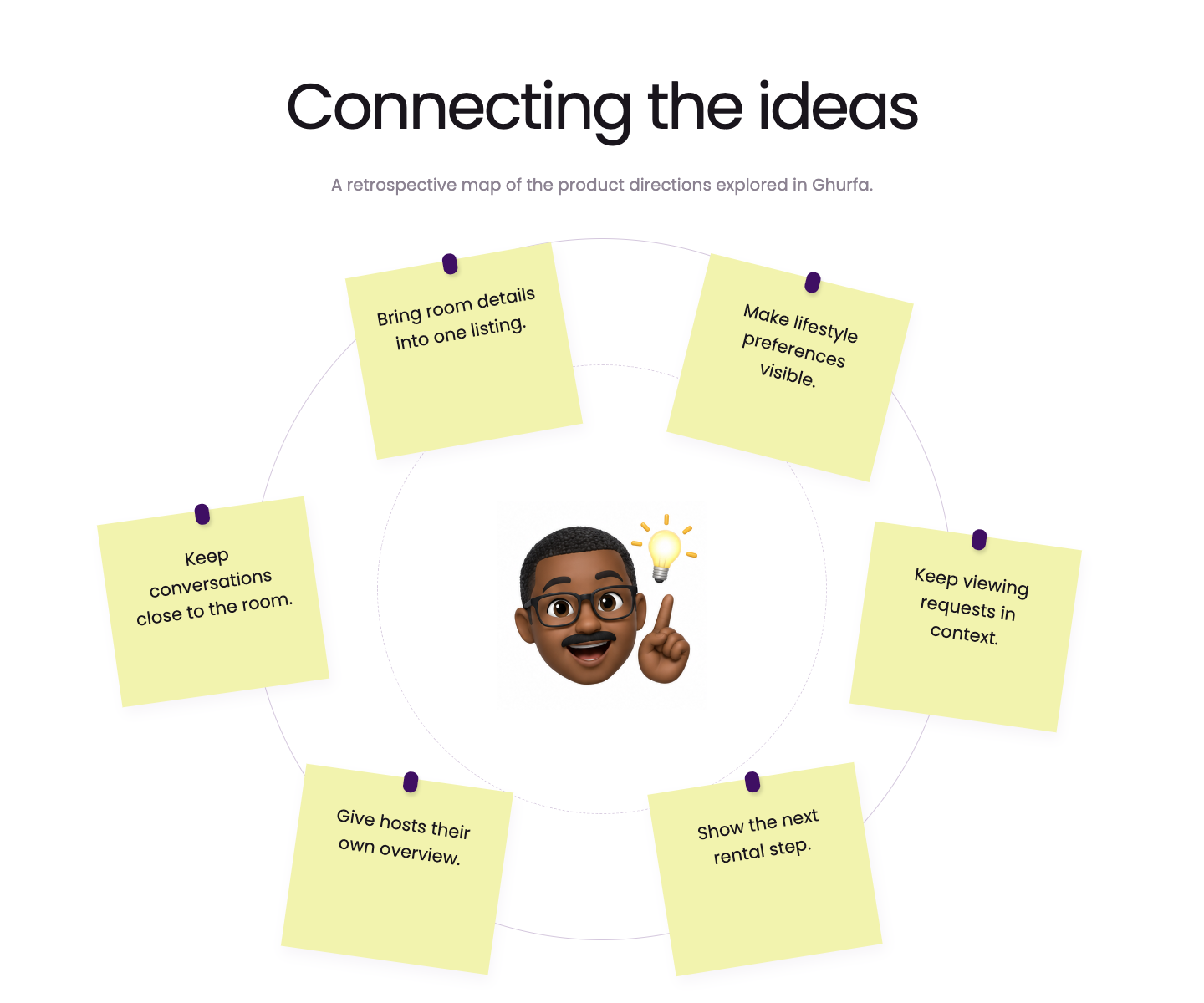
Connect discovery to the rental lifecycle. Help renters compare a place, contact the host, follow a viewing request, and keep the agreement and ongoing stay in one place.
Ghurfa supports three distinct roles, with different entry points, responsibilities, and day-to-day needs.
Find a suitable room, understand the household, arrange a viewing, and follow the steps toward moving in.
Present a room, respond to requests, manage rental offers, and stay connected during the tenancy.
Manage a building and multiple serviced units through an operator-specific experience.
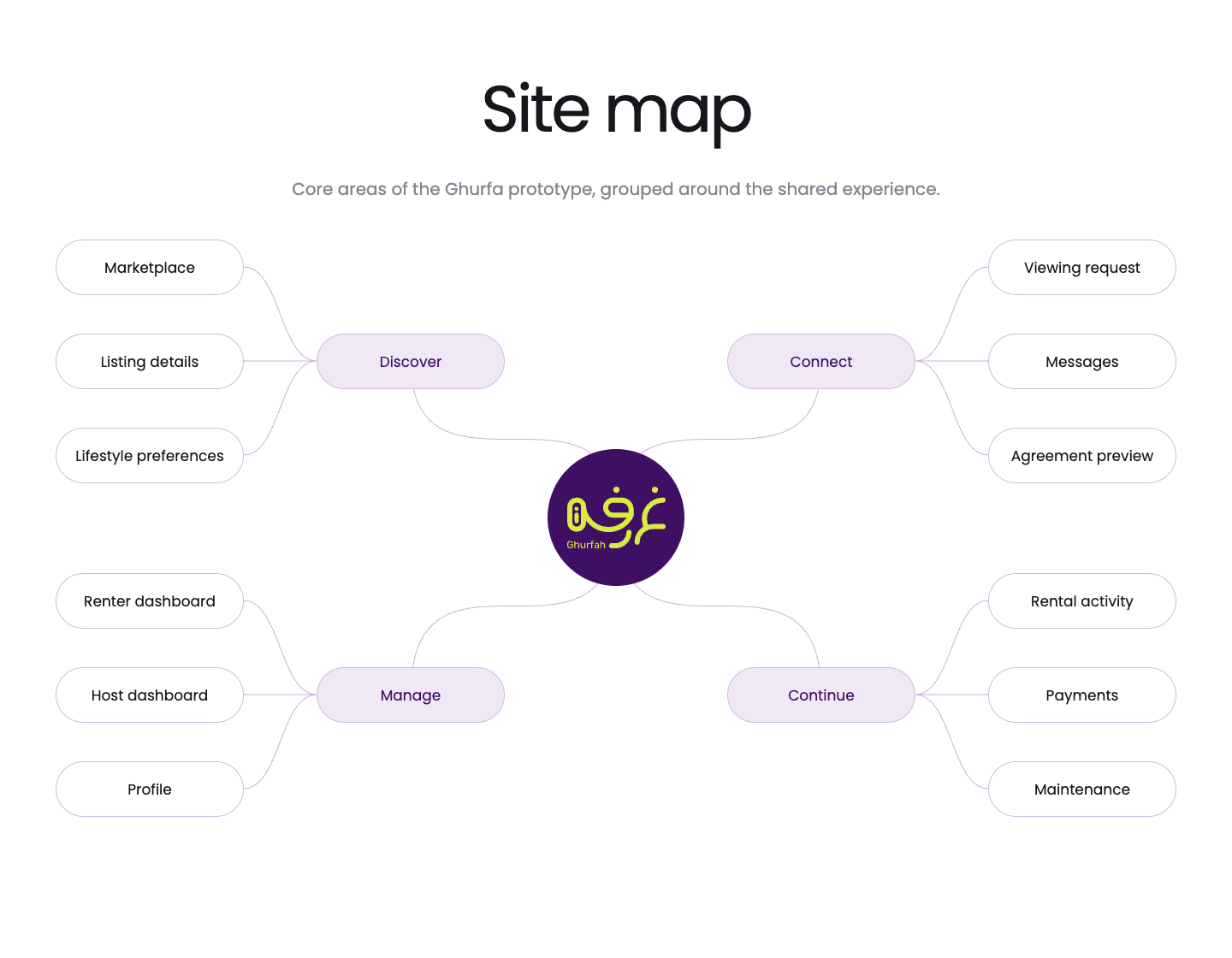
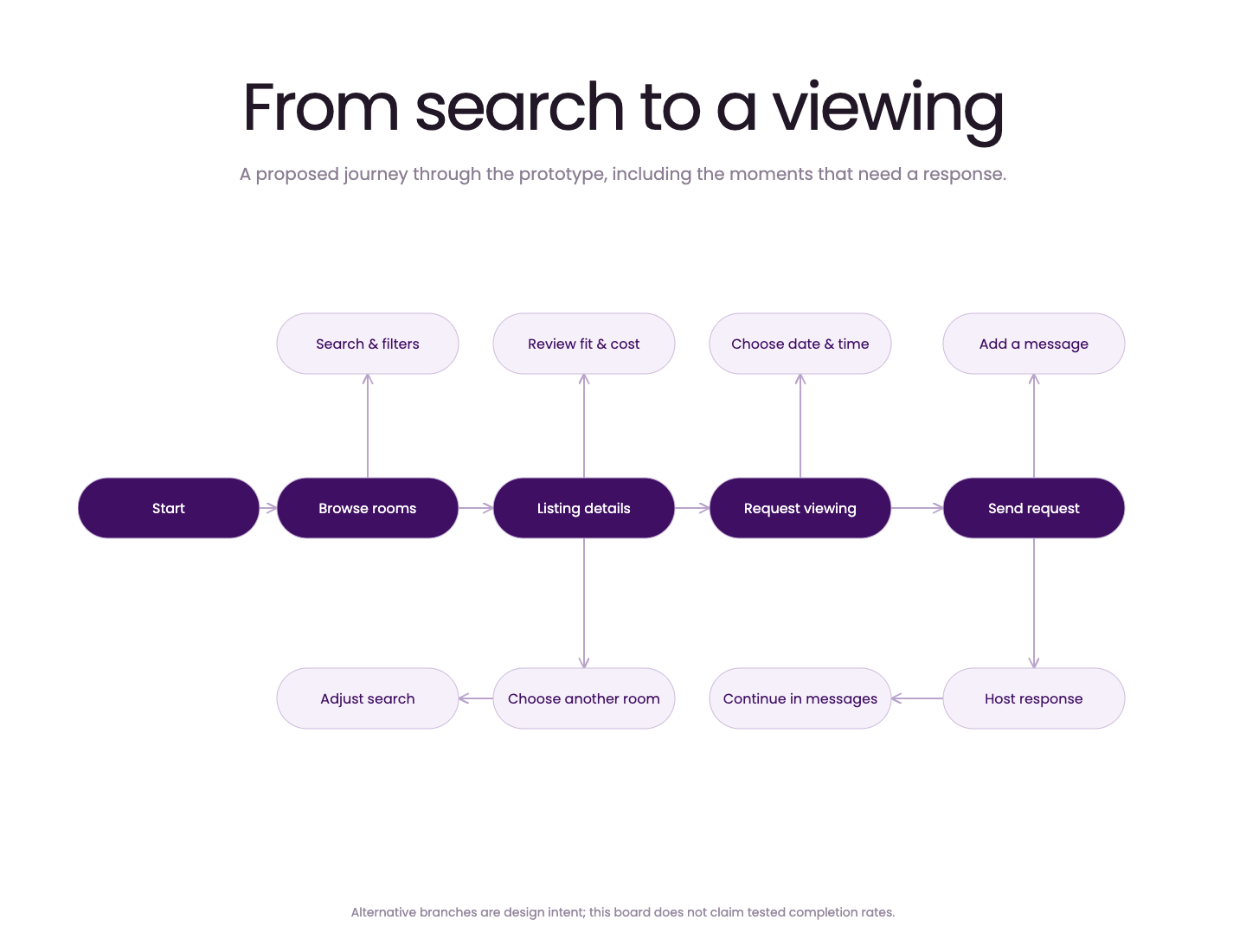
Exploring the hierarchy of room discovery, viewing requests, and rental activity.
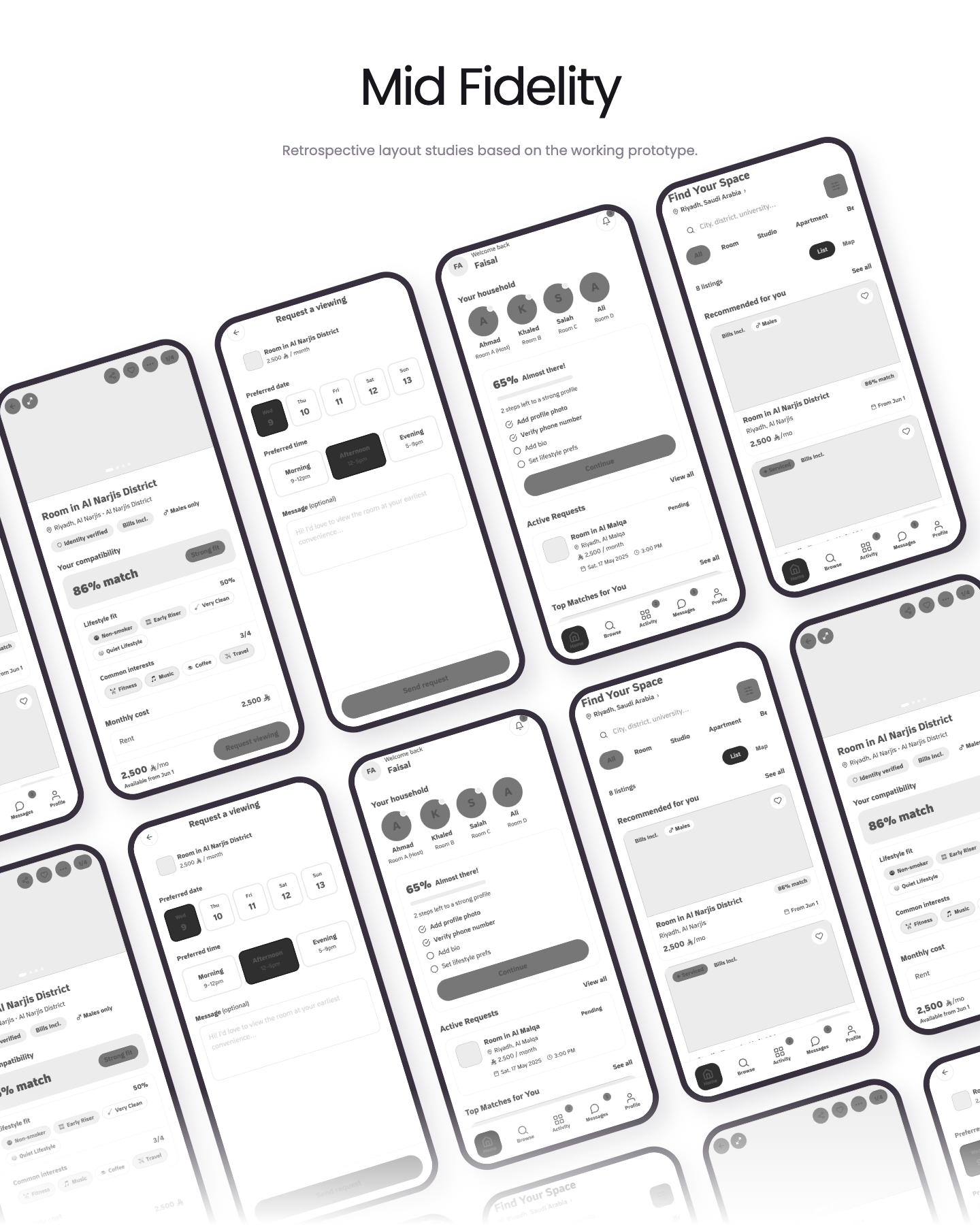
Retrospective studies based on the current app, presented as still-image artifacts.
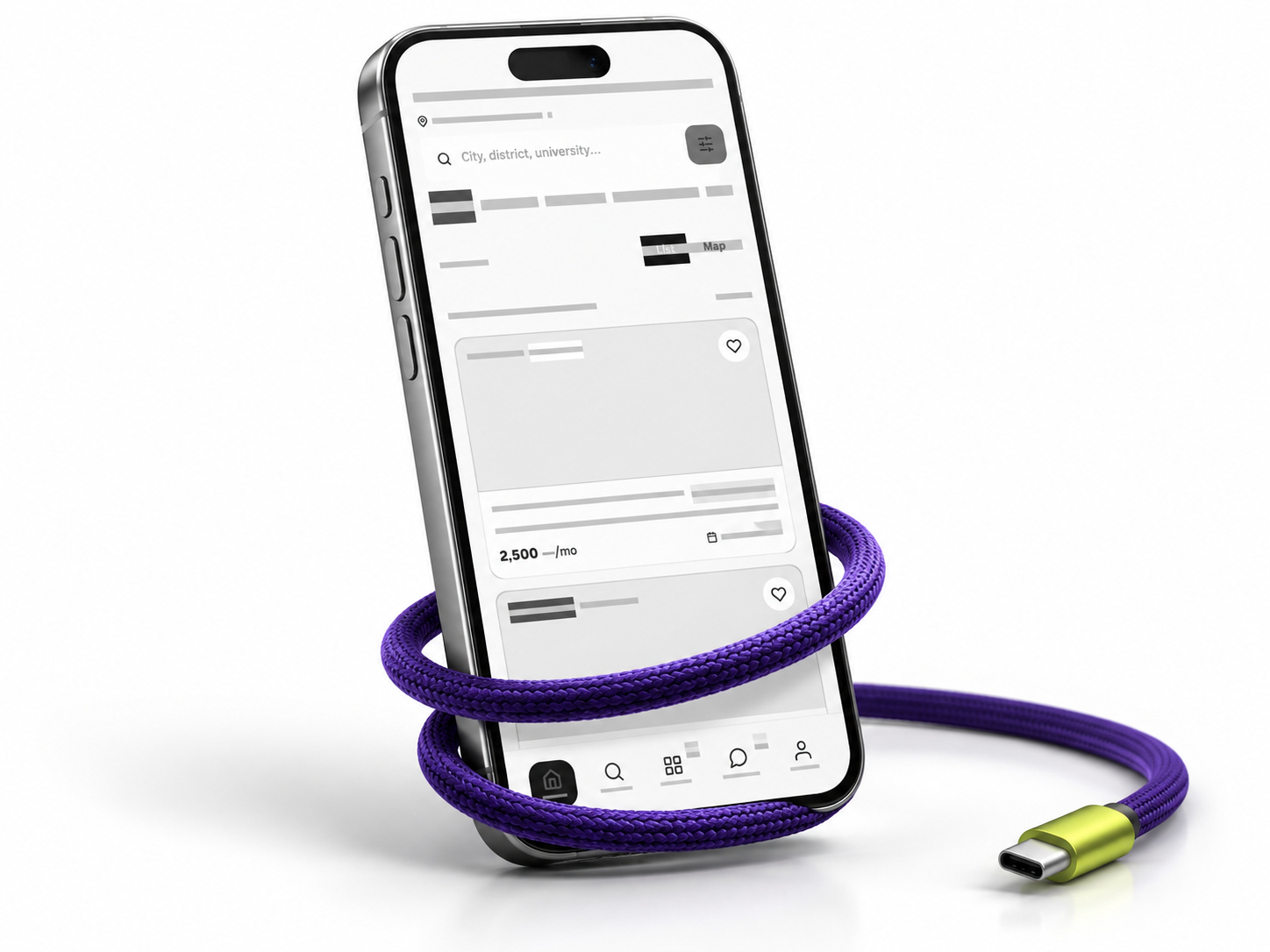
Explore the controls that bring room discovery and viewing requests together.
A place for every kind of search.
Home selected
Tap the match to explore the example.
Sample listing · choose a day and time in the example above.
Interactive component studies based on Ghurfa’s interface. Values are sample data.
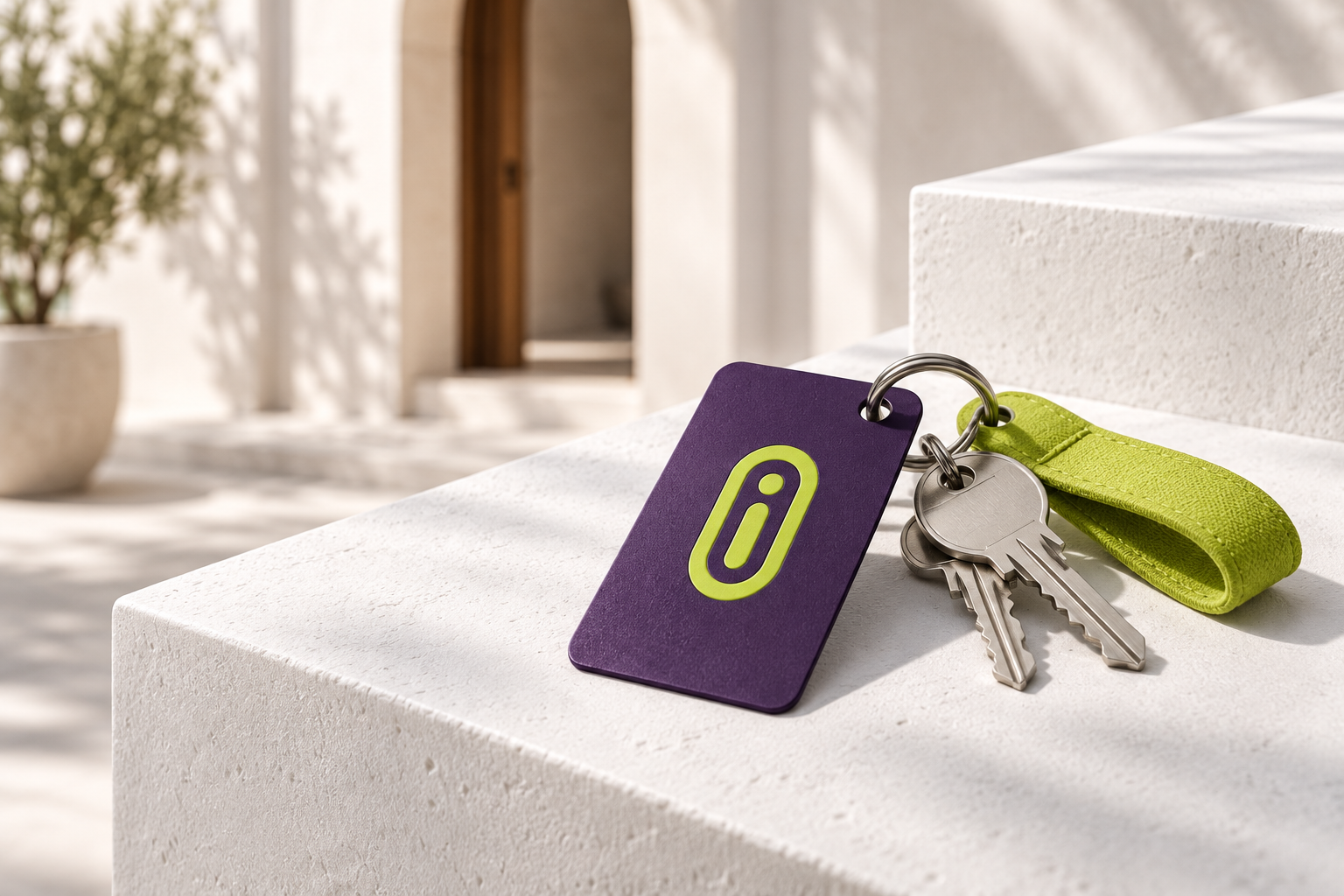
Ghurfa’s symbol, illustrations, and interface colors carry into a presentation about arriving, belonging, and making a place your own.

A place.
Your people.
The same identity, from the app to the keys in your hand.
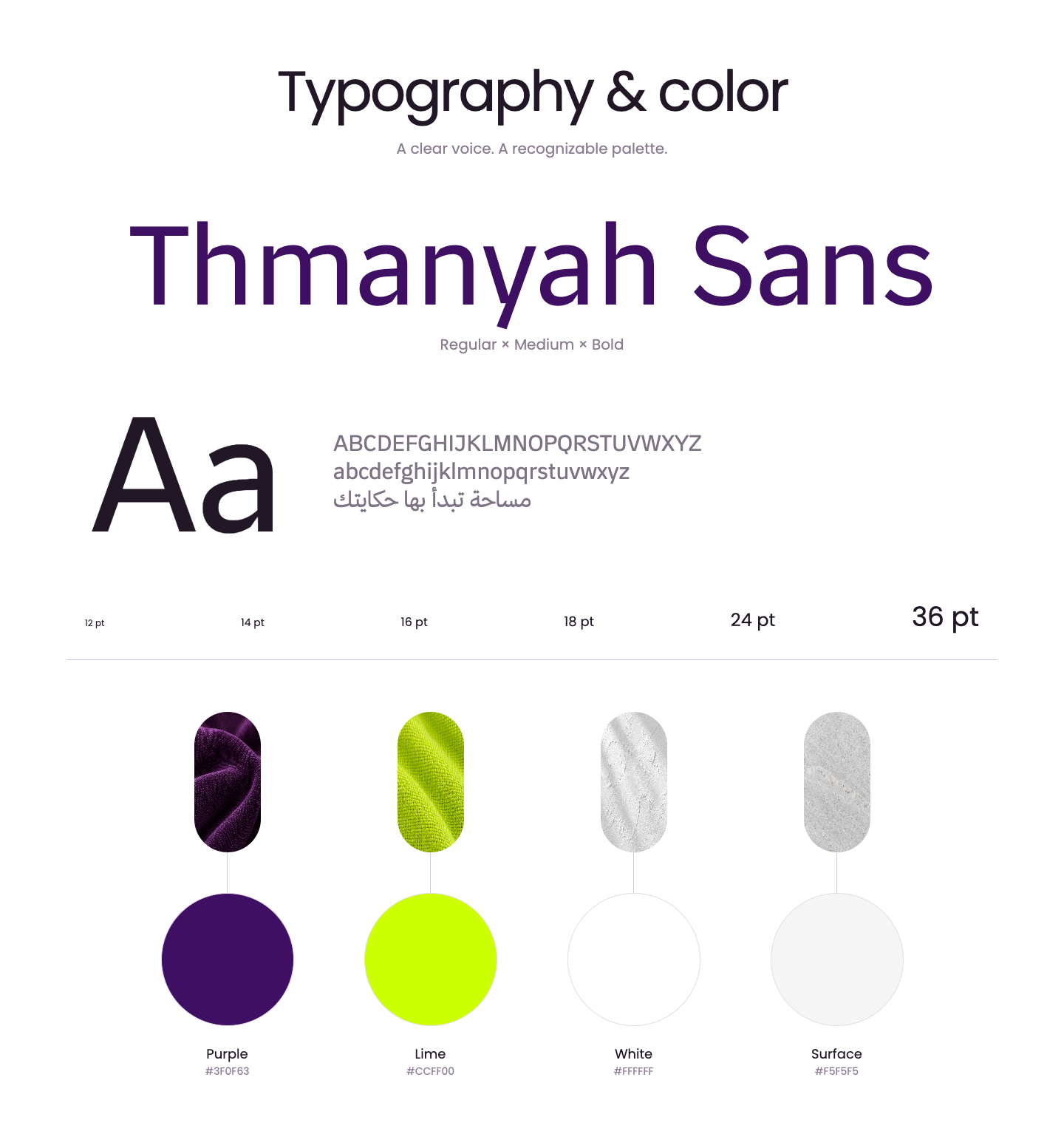
Deep purple brings consistency. Lime highlights the next step.
Warm light and real spaces connect the interface to everyday living.
A social campaign that brings Ghurfa’s purple and lime into everyday living.

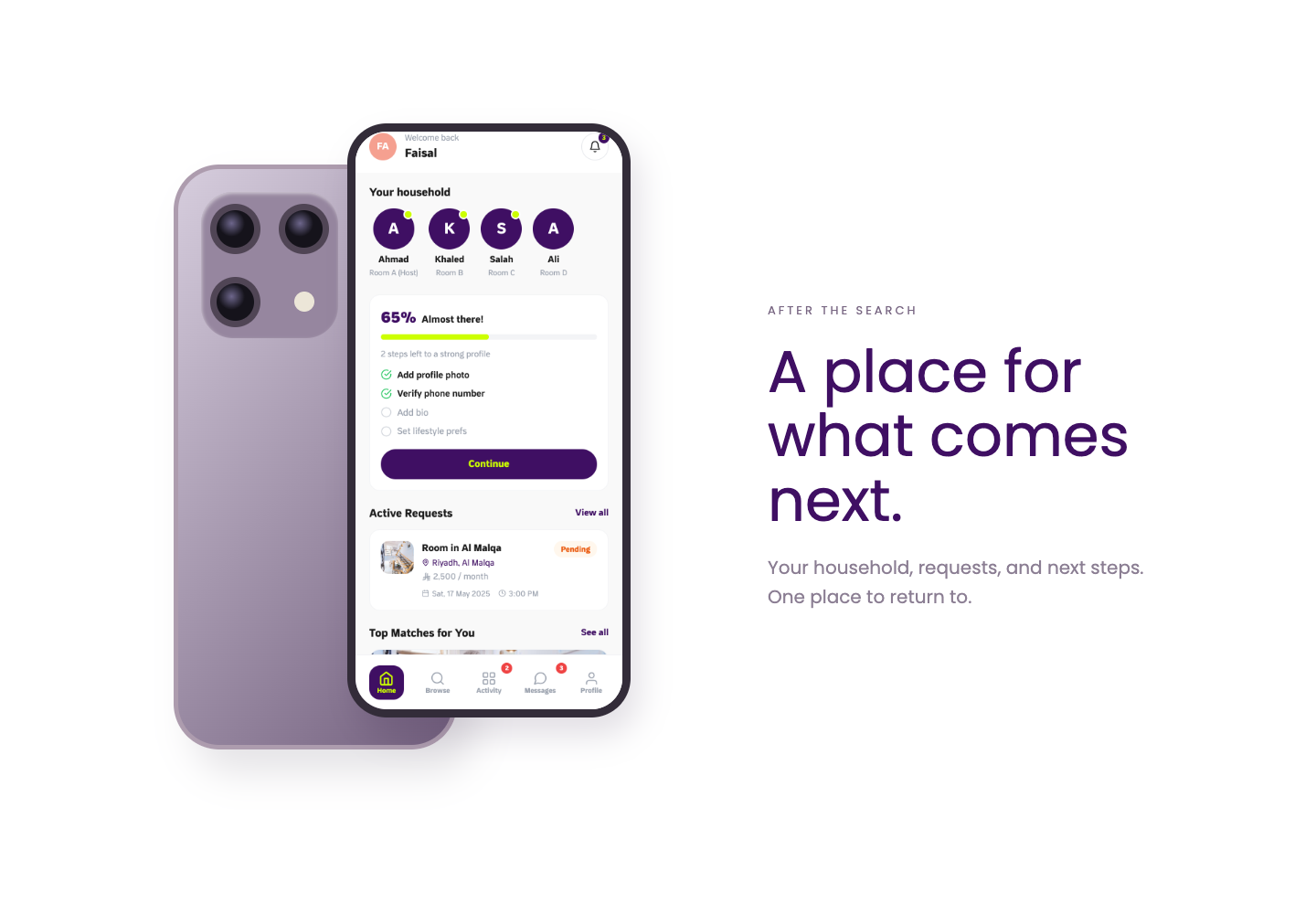
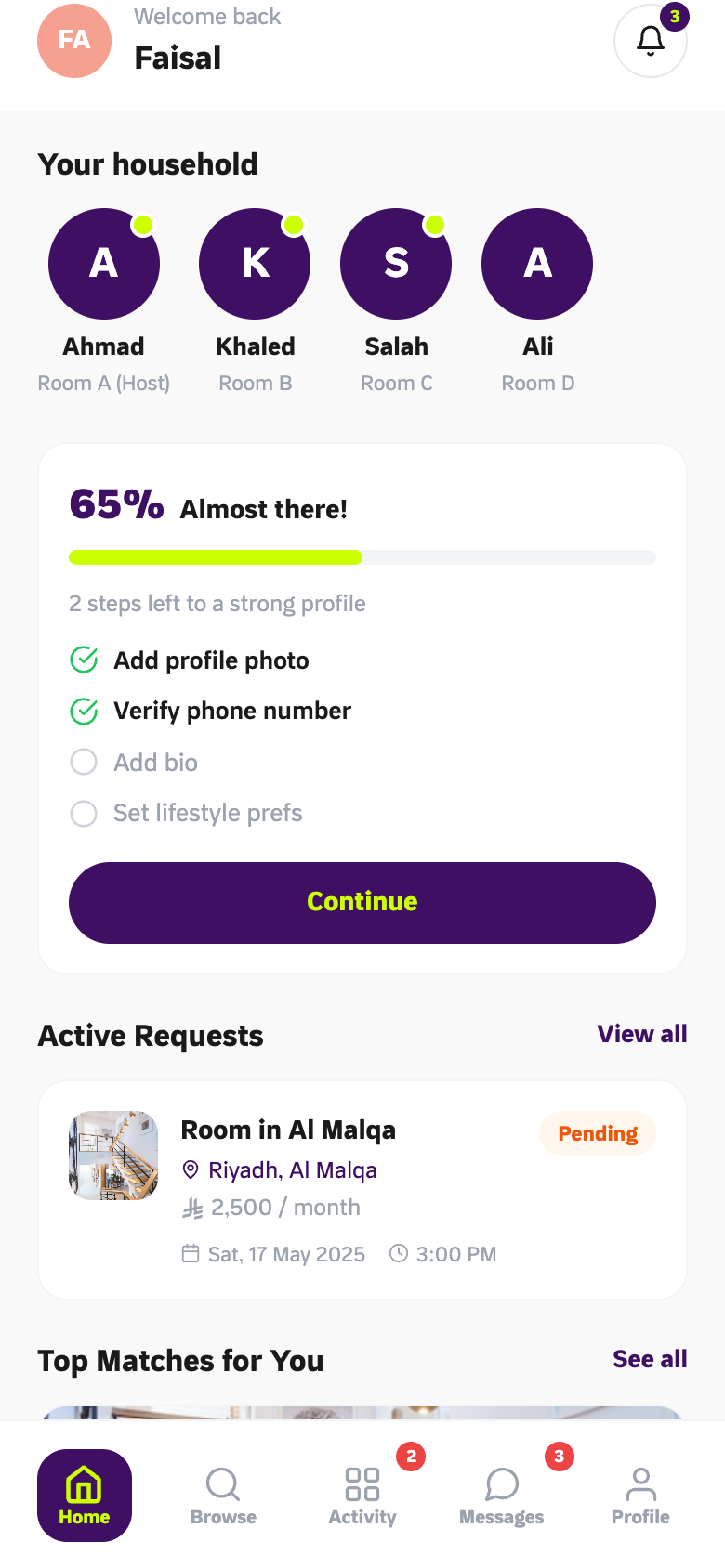
The renter dashboard brings household context, profile progress, active requests, and useful next steps into one view.
Household context, requests, and a clearer view of what comes next.
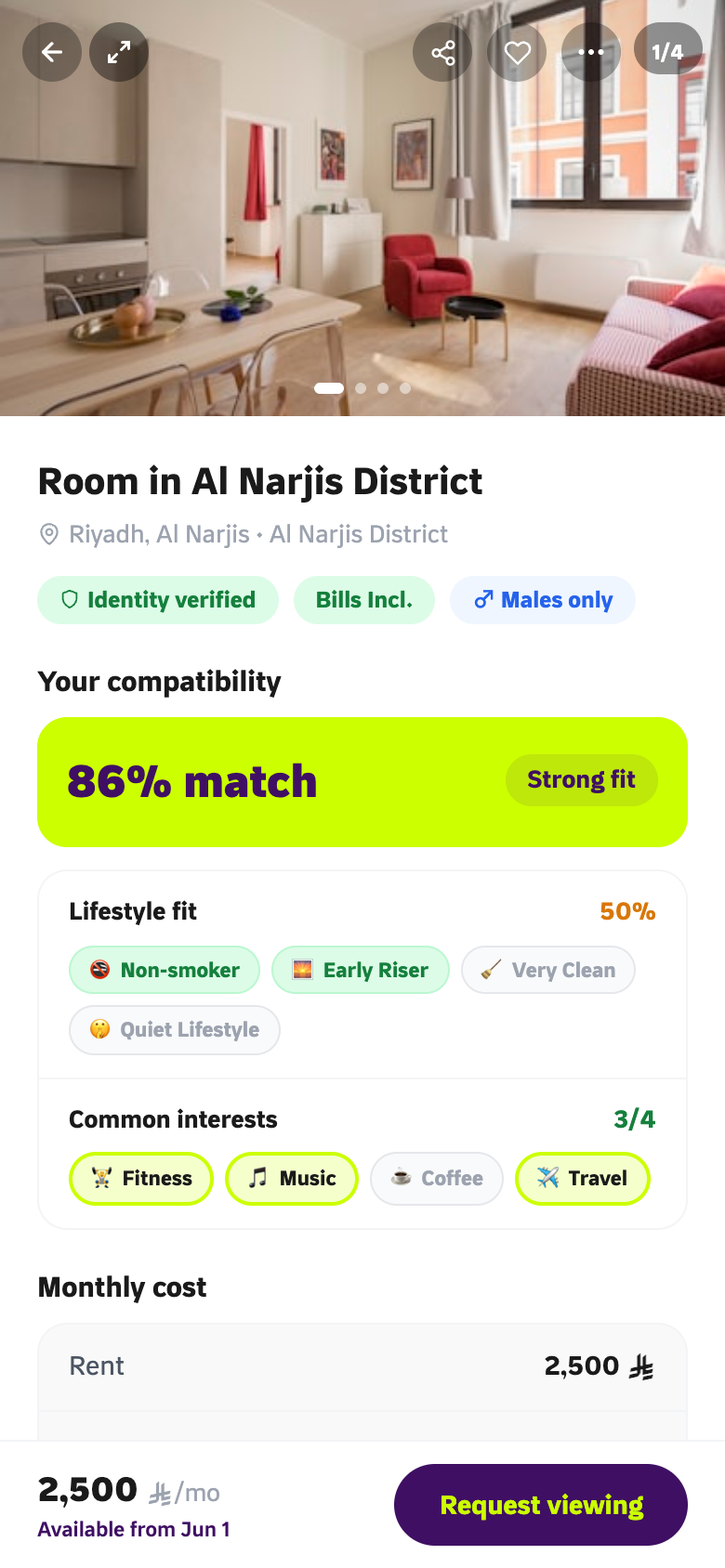
The marketplace supports search and room-type filters. Listing details add practical information and household preferences before the renter requests a viewing.
The interface carries the selected room forward so the renter can request a time and review the next step.
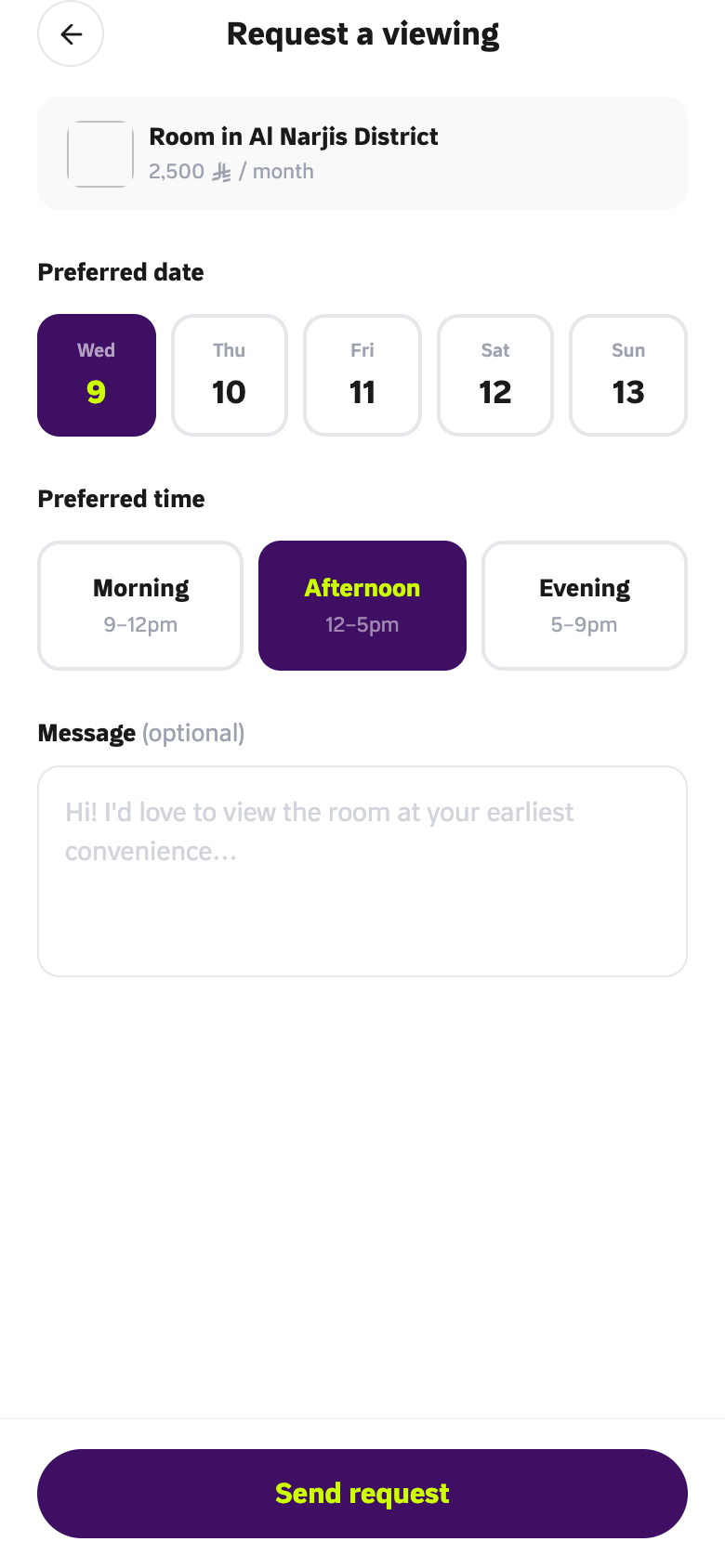
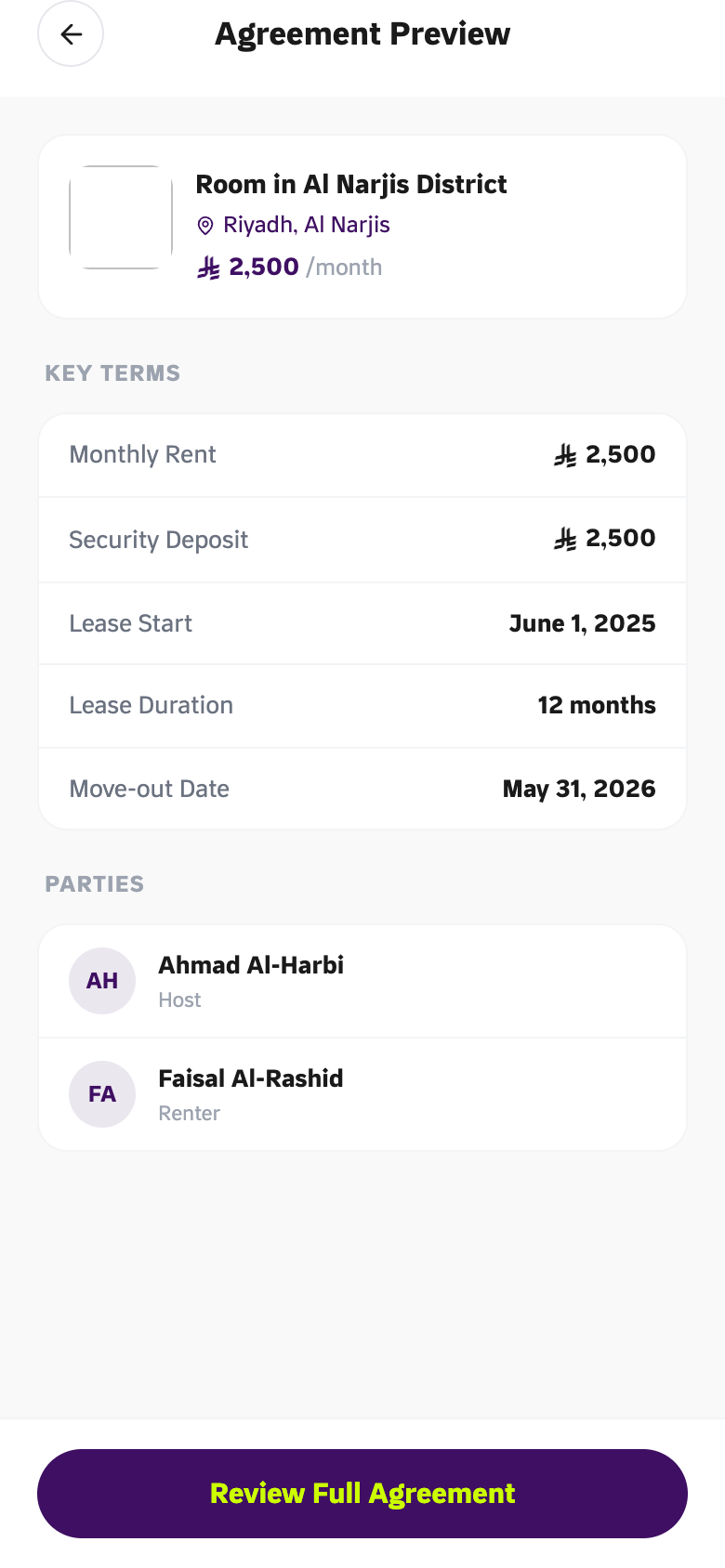
Listings, requests, and day-to-day rental activity.
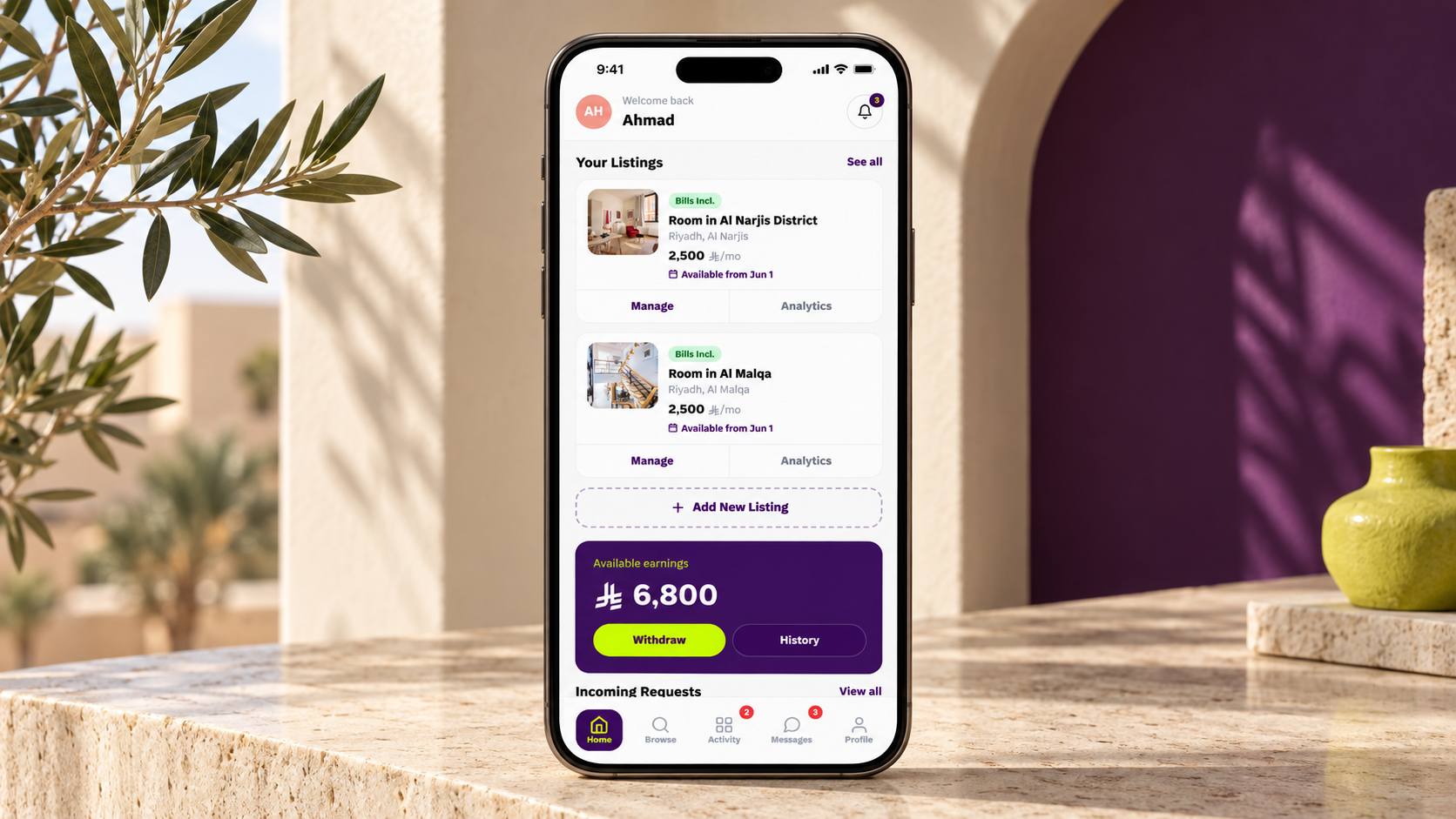
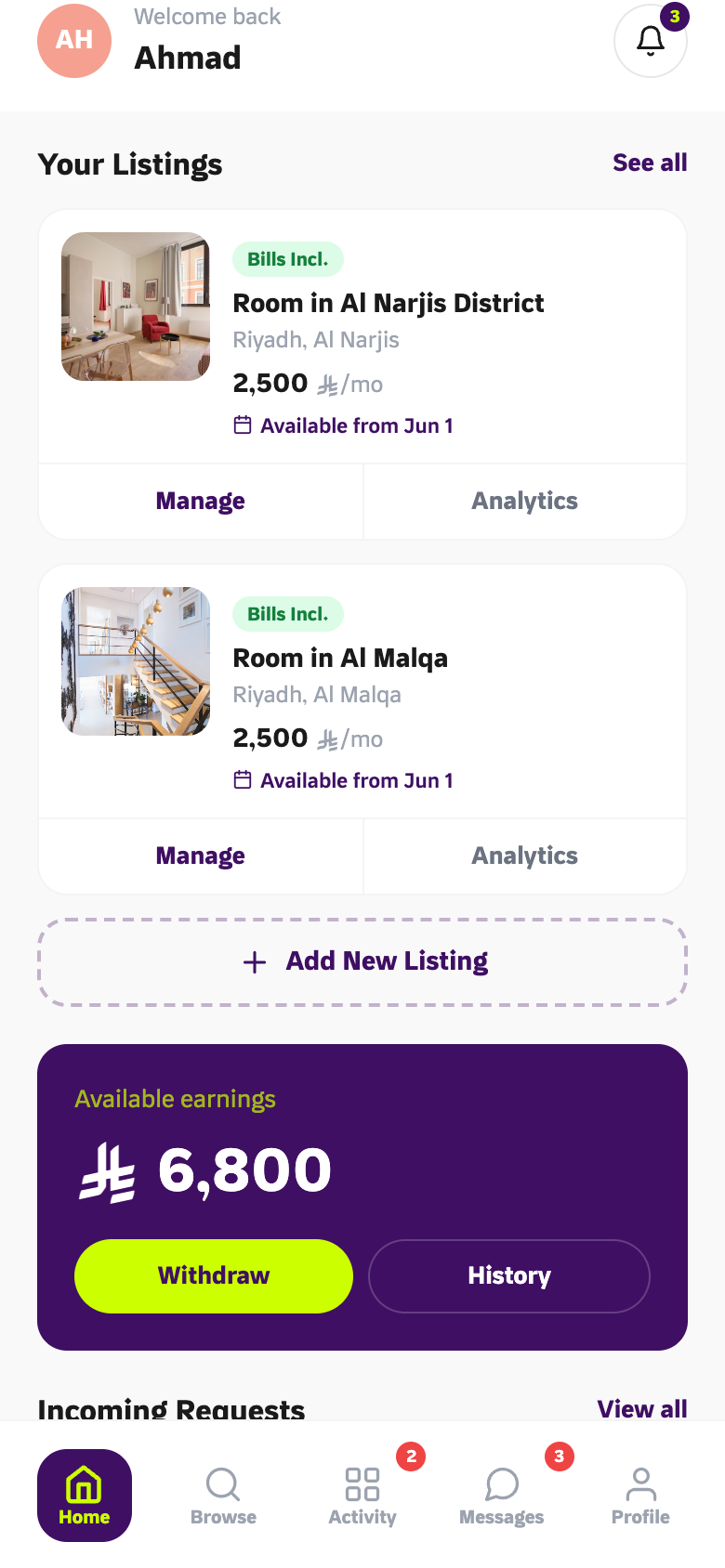
The host experience brings listings, incoming requests, and earnings together. A shared journey helps both sides understand what needs attention.
Keep room-related conversations close to the listing and rental activity, with one place to return to the discussion.
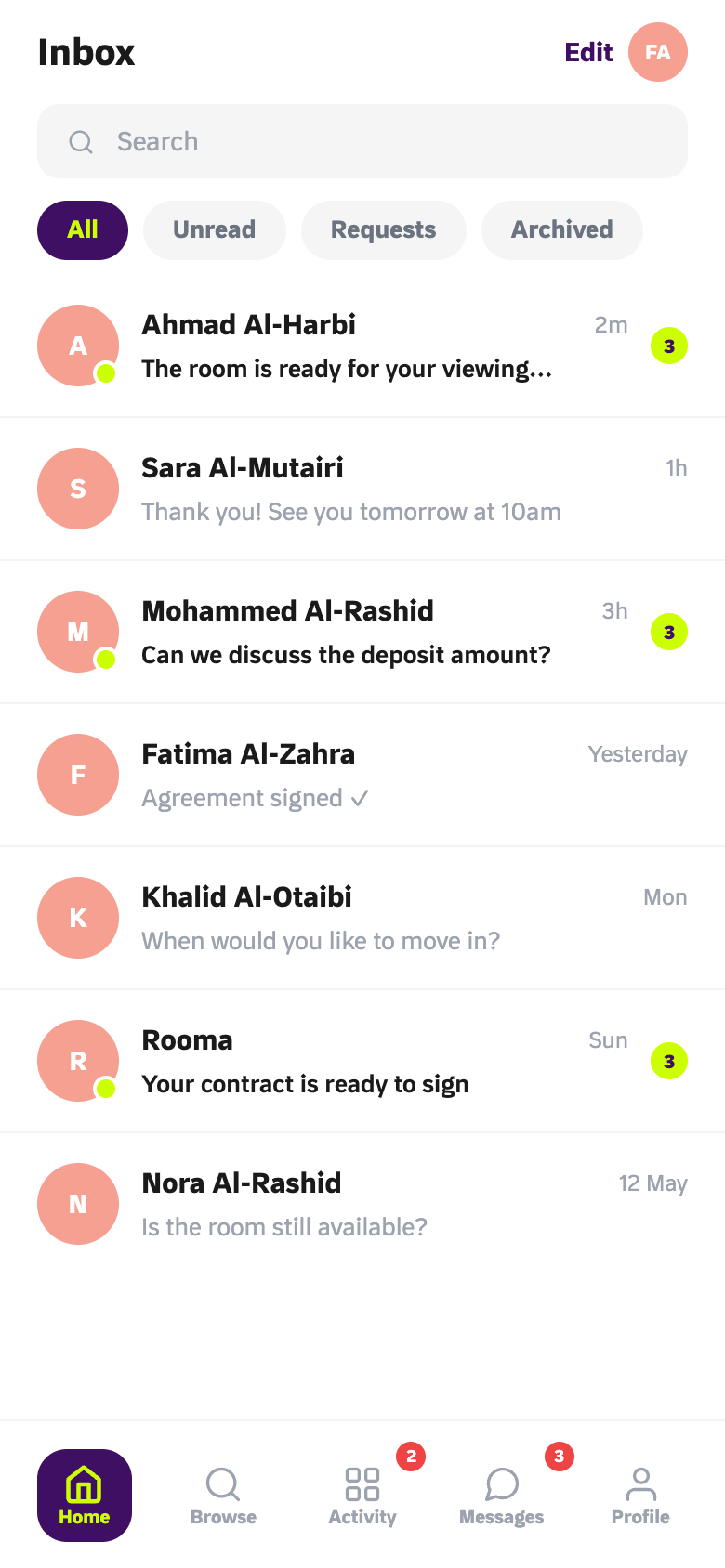
A conversation stays connected to the practical steps of finding and sharing a home.
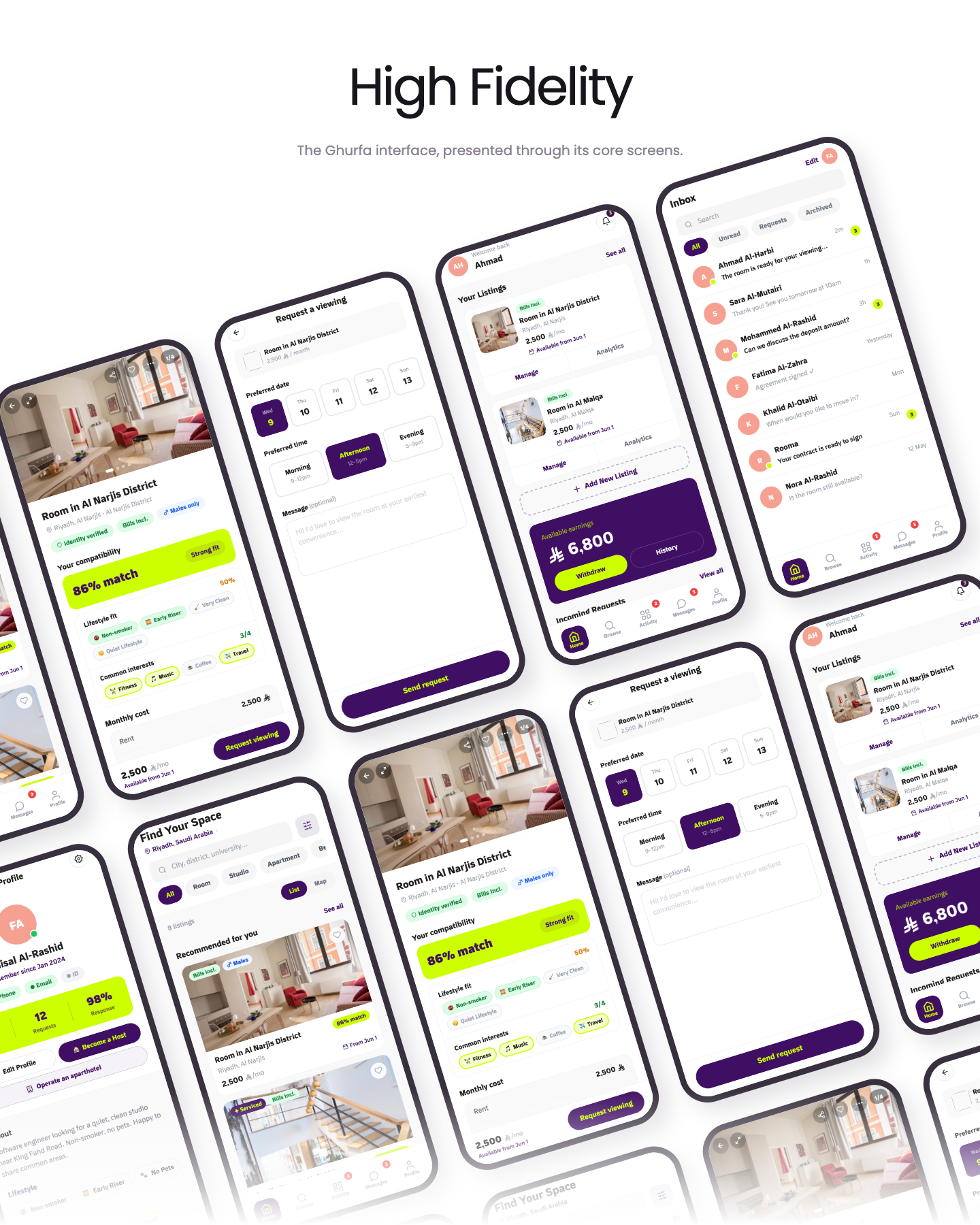
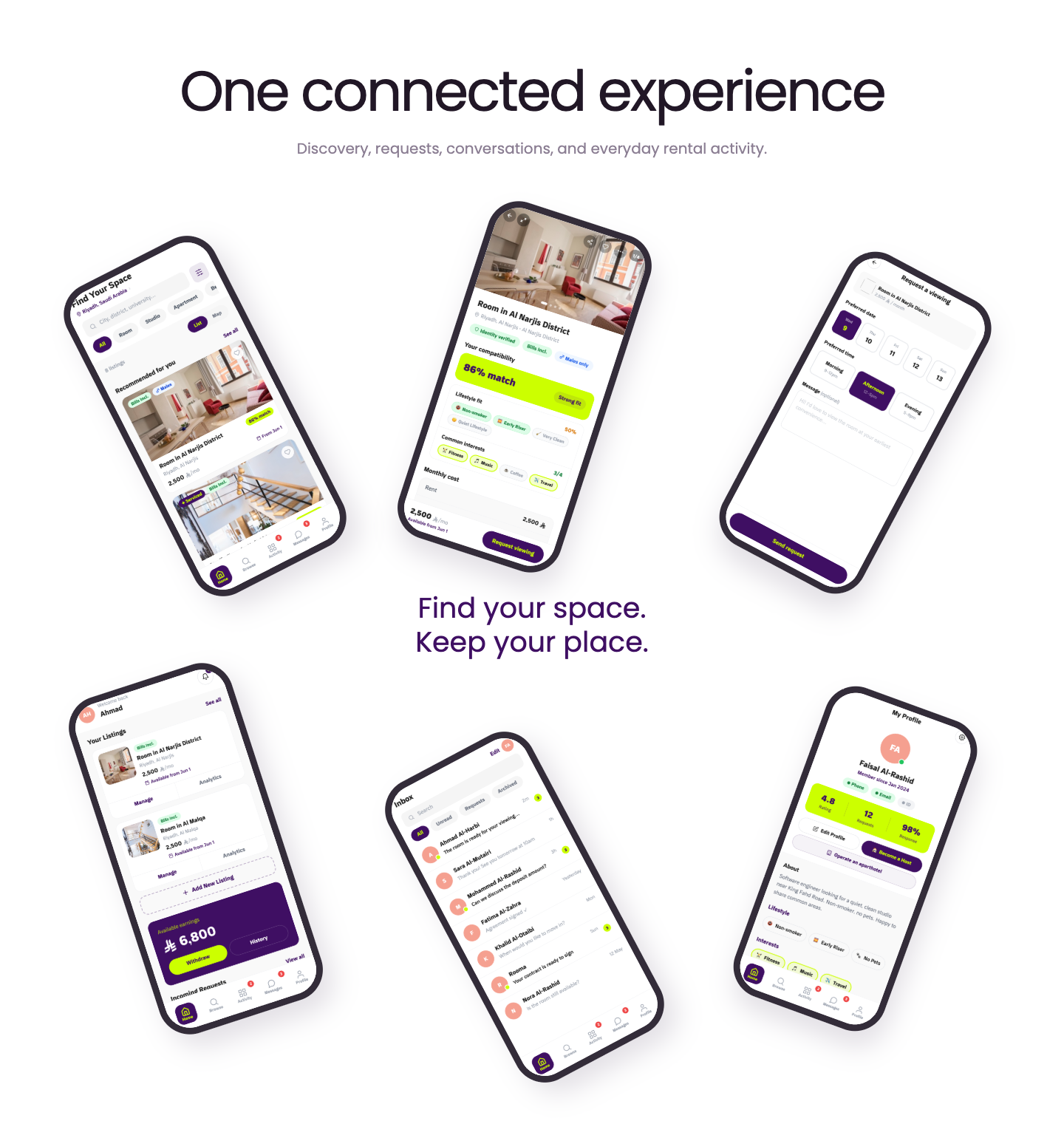
The prototype connects the core rental steps. AI-assisted walkthroughs helped explore the experience; usability with renters and hosts still needs to be tested.
Listing details bring rent, household preferences, and lifestyle compatibility together before the viewing request.
Validate whether renters understand the compatibility information and use it to compare rooms.
The viewing request carries the selected room forward, alongside the date, time, and message.
Observe whether renters can request a suitable time and understand what happens after sending.
Renter and host dashboards give each role a different view of requests and ongoing activity.
Test whether both sides identify their next action and interpret agreement and payment states consistently.
Designing the steps after discovery brought the project’s real scope into focus: helping two people understand a shared next step.